English
Views: 0 Author: Site Editor Publish Time: 2026-07-27 Origin: Site


ESD gloves are used throughout electronics assembly, semiconductor production, PCB handling, inspection, repair, and cleanroom operations. They help reduce contamination from fingerprints and skin oils while supporting the facility’s electrostatic discharge control measures.
Choosing a glove, however, is not as simple as selecting any product labeled “anti-static.” Nitrile ESD gloves and fabric ESD gloves behave differently. One provides a continuous disposable barrier, while the other normally uses conductive yarn in a reusable knitted structure. Their differences affect comfort, grip, cleanliness, liquid protection, durability, and suitability for particular production tasks.
Neither type is automatically better for every electronics workstation. The correct choice depends on what workers handle, how clean the process must remain, whether liquids are present, how much dexterity is required, and how the glove will be tested within the company’s ESD control program.
ESD gloves are intended to reduce the risk of electrostatic charge affecting sensitive electronic components. They may also prevent direct contact between the operator’s skin and the product.
Human hands can introduce several problems during electronics handling:
Static charge
Fingerprints
Skin oils
Perspiration
Dust and particles
Cosmetic residue
Direct contact with sensitive surfaces
A suitable glove creates a controlled interface between the hand and the component. Depending on its construction, the glove may reduce charge generation, allow charge to dissipate, prevent contamination, or combine these functions.
ANSI/ESD STM15.1 provides methods for testing the electrical resistance of gloves and finger cots, including the glove and operator as a complete system. This matters because a material-level resistance result does not always show how a glove performs when worn in an actual production environment.

Nitrile gloves are made from synthetic rubber. Standard disposable nitrile gloves are widely used for contamination control and protection from light contact with oils, chemicals, and process residues.
An ordinary nitrile glove should not automatically be treated as ESD-safe. Nitrile is normally electrically resistive, so an ESD version requires a formulation or construction designed to provide controlled static-dissipative performance.
Some static-dissipative nitrile gloves use specially formulated compounds to achieve a defined electrical resistance. For example, Ansell lists a nitrile glove with vertical resistance below (10^8) ohms and identifies it as static dissipative.
Nitrile ESD gloves are commonly disposable, powder-free products. Cleanroom versions may be manufactured, washed, inspected, and packaged under controlled conditions to reduce particles and contamination.
The main advantage is the continuous barrier around the hand.
Unlike an open knitted fabric, nitrile prevents skin oils and perspiration from passing directly through the glove onto the component. This can be important when handling:
Optical parts
Semiconductor wafers
Precision connectors
Displays
Sensors
Clean metal surfaces
Products sensitive to ionic or organic contamination
Nitrile also provides resistance to many oils and light chemical splashes, although the exact protection depends on the glove formulation, thickness, chemical involved, and contact time.
Disposable nitrile gloves are convenient when contamination must not be transferred between workstations or production batches. Workers can remove the used pair and replace it rather than sending the gloves through a laundering process.
Textured fingertips may improve grip on small or smooth parts. Some static-dissipative disposable nitrile products are specifically designed with textured surfaces for wet and dry handling.
The continuous barrier can trap heat and perspiration. During a long shift, the hands may become uncomfortable, especially in warm production areas.
A disposable glove can also tear or develop a small puncture. The damage may not always be noticed immediately.
Nitrile gloves must be replaced frequently, which increases consumption and waste. Workers may also change gloves at inconsistent intervals unless the facility defines clear replacement rules.
Most importantly, not every powder-free nitrile glove has suitable ESD properties. A product intended for medical, food-handling, or general laboratory use may provide good cleanliness without meeting the electronics process’s electrical requirements.
Buyers should verify:
Electrical resistance
Test method
Cleanroom classification where relevant
Particle and extractable levels
Chemical compatibility
Glove thickness
Surface texture
Powder-free status
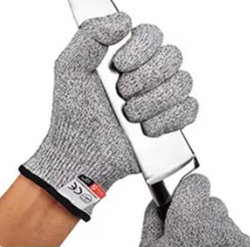
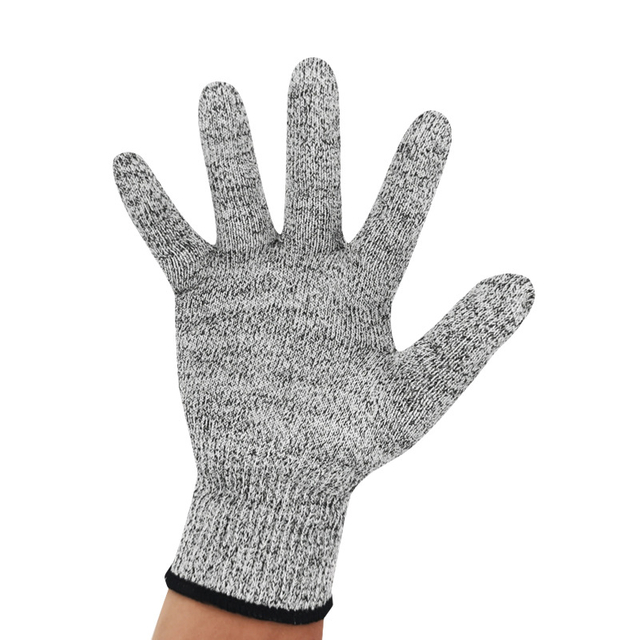
Fabric ESD gloves are usually knitted from nylon, polyester, or another textile blended with conductive yarn. Carbon-containing fibers or other conductive filaments are distributed through the glove to create a static-dissipative path.
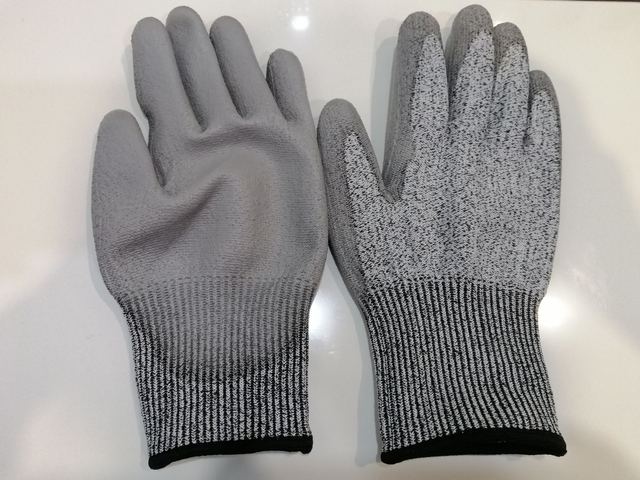
Some fabric gloves are completely uncoated. Others have polyurethane or nitrile applied to the fingertips or palm for better grip and abrasion resistance.
LEENOL’s ESD glove category includes seamless fabric gloves, fingertip-coated gloves, palm-coated gloves, and disposable nitrile options for electrostatic protected areas and cleanroom applications.
Fabric gloves are breathable. Air can move through the knitted structure, making them more comfortable for operators who wear gloves throughout a full shift.
They also provide good flexibility. Thin seamless constructions allow workers to feel small parts and perform detailed tasks such as:
Installing connectors
Sorting electronic components
Inspecting assembled boards
Handling tools
Light mechanical assembly
Packaging finished electronics
Fabric ESD gloves are normally reusable. When the product instructions allow it, they can be cleaned and returned to service. This can lower consumption in operations where gloves do not become heavily contaminated.
The knitted liner also provides a stable location for conductive yarn. Correctly designed fabric gloves allow charge to move through the conductive fiber network rather than remaining concentrated on the glove surface.
Fabric gloves do not form a complete liquid barrier. Perspiration, oil, or other contamination may eventually move through the textile, particularly after extended use.
An uncoated glove may provide limited grip on smooth components. A fingertip or palm coating can improve handling, but the coating must remain compatible with the glove’s intended ESD performance.
Fabric gloves can collect dust and process residue. If they are reused, the facility needs a controlled cleaning, inspection, and replacement process.
Wear is another consideration. Conductive yarn can break, coatings can peel, and the knitted surface can become thin around fingertips. A glove may still look usable while its resistance has changed.
Low-quality or unsuitable fabric gloves may also shed fibers. Cleanroom applications therefore require gloves specifically manufactured and evaluated for contamination-controlled use rather than general knitted work gloves.
Both nitrile and fabric gloves can provide static-dissipative performance, but they achieve it differently.
Fabric gloves normally rely on conductive fibers incorporated into the knitted liner. Charge moves through this yarn network.
Nitrile ESD gloves depend more heavily on the electrical characteristics of the polymer formulation. Conductive or dissipative additives are introduced so the glove does not behave like ordinary insulating rubber.
This difference does not mean one technology always provides better ESD control. Performance should be assessed using actual test data.
The EOS/ESD Association identifies glove measurement as a specific part of ESD compliance work. Its standards material emphasizes both intrinsic glove resistance and the resistance of the glove together with the wearer.
A glove that passes a material test may behave differently when worn by people with dry skin, used in low humidity, or combined with other personnel-grounding equipment.
For processes where fingerprints, skin oils, or liquids cannot be tolerated, nitrile usually provides the more complete barrier.
A cleanroom-grade nitrile glove covers the entire hand with a continuous polymer layer. It is therefore often preferred for semiconductor, display, optics, battery, and laboratory processes requiring stricter contamination control. Ansell describes cleanroom gloves for microelectronics as supporting low particle performance, ESD protection, contamination control, and product integrity.
Fabric gloves are often suitable for general electronics assembly and inspection where the main concerns are static control, light fingerprint prevention, comfort, and grip.
However, “fabric” does not automatically mean unsuitable for a cleanroom. Special low-lint ESD fabric gloves may be used in controlled environments. Their suitability depends on the glove construction, cleaning process, packaging, and the cleanliness requirements of the operation.
Grip depends on more than the glove material.
A smooth nitrile glove may provide adequate general grip, while a textured nitrile surface can make small or slippery components easier to control.
Uncoated fabric gloves offer good breathability and tactile sensitivity but may slide on smooth plastic or metal parts. Fabric gloves with PU-coated fingertips are useful when workers need to pick up small screws, circuit boards, connectors, or glass components.
Palm-coated gloves provide more grip and abrasion resistance but cover a larger area of the breathable liner. They may feel warmer and less flexible than fingertip-coated versions.
The best design depends on the task:
Fine inspection: Thin fabric glove or lightweight nitrile
Small-part assembly: Fingertip-coated fabric glove
Handling smooth components: Textured nitrile or PU-coated fabric glove
Contact with oils or liquids: Suitable nitrile glove
Long dry assembly shifts: Breathable fabric glove
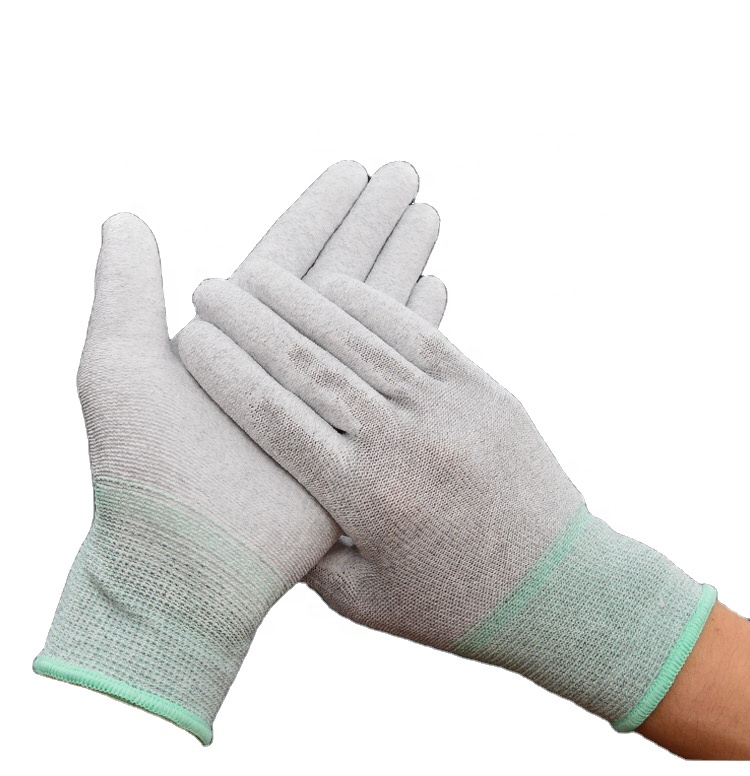
Fabric ESD gloves generally have an advantage in warm, dry assembly areas. The knitted material allows ventilation and absorbs limited perspiration.
Disposable nitrile gloves fit closely but can trap moisture. Workers may need to change them during longer shifts. The correct size is important because an overly tight glove increases hand fatigue, while a loose glove can reduce control of small parts.
Some operators wear a thin fabric liner under nitrile, but that arrangement should not be introduced casually. It changes the glove system and may affect fit, cleanliness, dexterity, and electrical measurements. Any layered configuration should be evaluated under the facility’s actual ESD and contamination requirements.
Fabric gloves usually have a higher initial cost per pair but can be reused. Their economic value depends on how many cycles they survive and how much it costs to collect, clean, inspect, and redistribute them.
Disposable nitrile gloves have a lower unit cost in many markets, but consumption accumulates quickly. They are often the more practical choice when gloves must be changed between batches, after contamination, or when workers handle substances that cannot be reliably removed by washing.
Cost comparisons should include:
Purchase price
Replacement frequency
Laundry expenses
Inspection labor
Production contamination risk
Glove damage rates
Waste handling
Operator comfort and productivity
The cheapest glove per pair may not be the least expensive option for the complete process.
The answer depends on the application.
Nitrile is often the stronger choice when:
A full barrier against fingerprints and perspiration is required
Workers handle oils, adhesives, or light chemical residues
Gloves must be replaced between products or batches
Cleanroom contamination requirements are strict
A disposable system is easier to control
Smooth or wet components require a textured grip
The glove must be verified as static dissipative or suitable for the ESD application. A standard nitrile examination glove is not enough.
Fabric gloves are often preferable when:
Workers perform dry electronics assembly
Breathability is important
Gloves are worn for long periods
Reuse is practical
Fine dexterity is required
Fingertip or palm grip coatings are helpful
The process has moderate rather than extreme contamination-control requirements
Fabric gloves should be monitored for wear, contamination, damaged coatings, and changing electrical resistance.
In many assembly operations, the most practical option lies between the two categories.
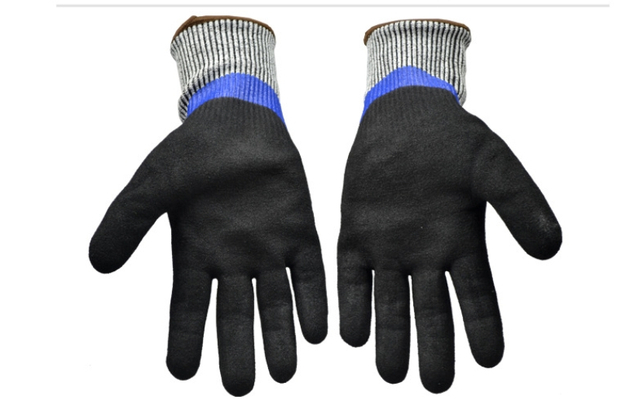
A knitted ESD glove with a PU or nitrile fingertip coating provides breathable fabric across most of the hand and improved grip where the worker contacts the component. A palm-coated design provides broader grip and additional wear resistance.
This hybrid construction does not offer the same complete fluid barrier as a disposable nitrile glove, but it can provide a useful balance of comfort, grip, reuse, and ESD control.
ESD gloves should not usually be treated as a replacement for wrist straps, ESD footwear, flooring systems, or other required personnel-grounding measures.
They are one part of the complete ESD control program.
A facility may use gloves to reduce charge generation and contamination while using a wrist strap to maintain the operator at the required electrical potential. In standing operations, gloves may be combined with verified ESD footwear and flooring.
The company’s ESD control plan should define how the glove interacts with the complete grounding system. Glove performance should be evaluated in the actual working arrangement rather than in isolation.
Before approving a glove, review:
Glove material
Conductive-fiber or dissipative formulation
Resistance data
Test standard
Coating type
Particle requirements
Chemical resistance
Grip
Thickness
Size range
Reuse or disposal procedure
Compatibility with wrist straps and other grounding equipment
A trial involving actual operators is useful. Workers can assess comfort and dexterity, while the ESD team measures electrical performance under real humidity and workstation conditions.
Reusable fabric gloves should be retested or replaced according to the facility’s compliance-verification plan. Disposable nitrile gloves should be stored correctly and checked for damage before use.
Nitrile and fabric ESD gloves solve different production problems.
Nitrile ESD gloves provide a continuous barrier, making them well suited to contamination-sensitive work, handling of light liquids, and processes that require frequent glove replacement. Fabric ESD gloves provide better ventilation, practical reuse, and comfortable dexterity for dry electronics assembly and inspection.
Coated fabric gloves offer a middle option when workers need breathability together with improved fingertip or palm grip.
The correct decision should be based on verified electrical performance, contamination-control requirements, operator comfort, task-specific grip, and the complete ESD control system—not simply on the glove’s material name.
LEENOL supplies disposable nitrile ESD gloves, seamless conductive-fiber gloves, PU fingertip-coated gloves, palm-coated gloves, finger cots, wrist straps, ESD clothing, workbenches, and other static-control products for electronics factories, laboratories, cleanrooms, and semiconductor production. Customers can select glove materials, coatings, sizes, and packaging according to their handling process and workplace requirements.
No. Standard nitrile gloves may provide contamination and liquid protection without offering verified static-dissipative performance. For use with ESD-sensitive components, select a nitrile glove with relevant resistance data and a test method suitable for the application.
Many fabric ESD gloves are reusable, but they must be cleaned according to the supplier’s instructions. Washing, contamination, abrasion, and coating wear may change their electrical performance, so facilities should inspect and replace them under a documented program.
Both types can reduce direct fingerprints, but nitrile provides a more complete barrier against skin oil and perspiration. Fabric gloves may allow contamination to pass through after extended wear, particularly if the material is thin or heavily used.
PU-coated fingertips or palms usually provide better grip and abrasion resistance. Uncoated gloves may offer more breathability and tactile sensitivity. The better option depends on the component surface, handling task, and required level of grip.
Normally, no. Gloves should be used as part of the facility’s overall static-control system. Wrist straps, ESD footwear, flooring, grounded workstations, and other controls may still be required according to the ESD control plan.