English



 |


| Quantity: | |
|---|---|
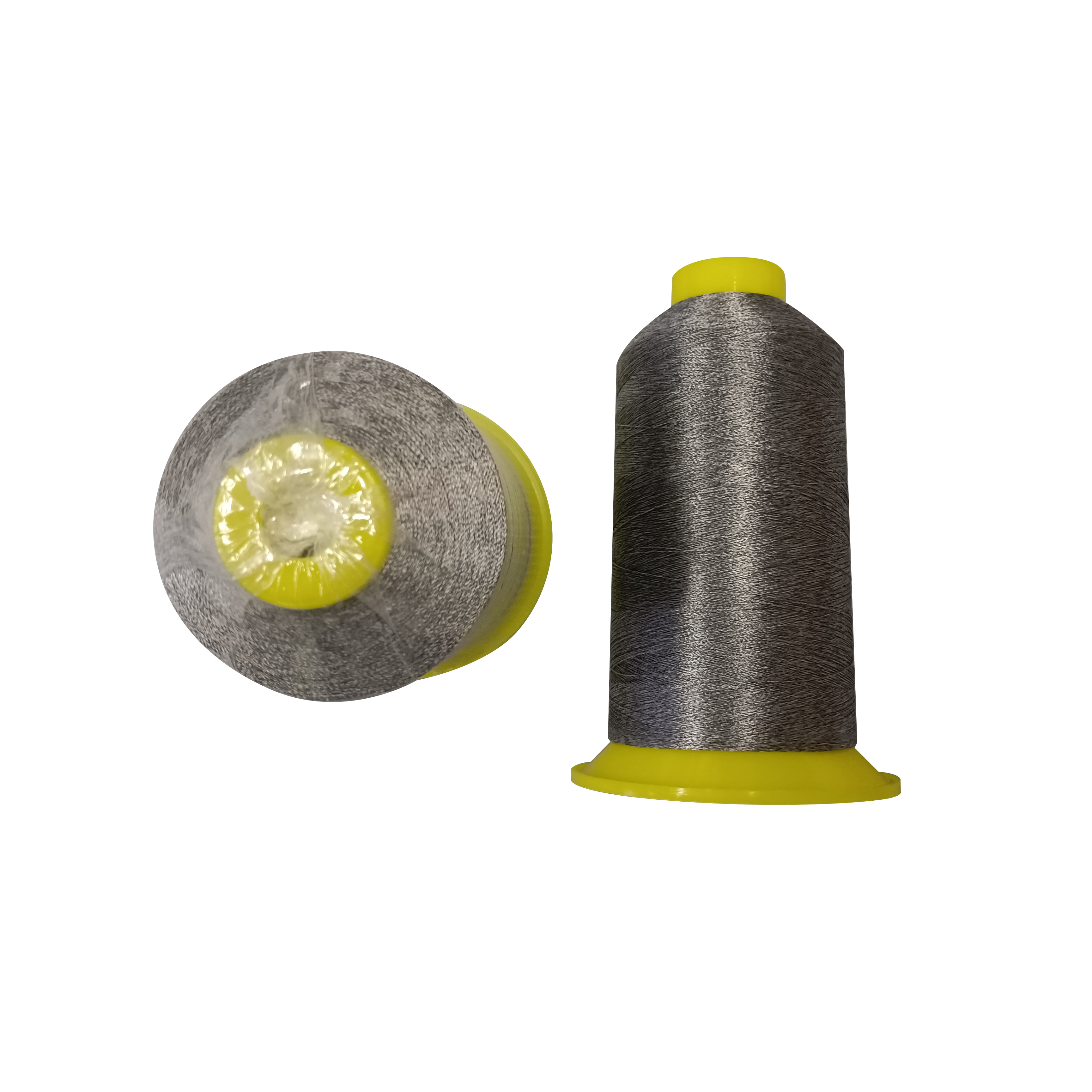
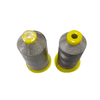
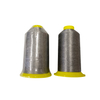
This bonded conductive yarn is designed for sewing and knitting applications where both textile performance and electrostatic control matter. It combines conductive properties with practical processability, making it a useful material choice for manufacturers producing antistatic accessories, wearable conductive products, and industrial textile components. The conductive thread classification image you shared also distinguishes conductive yarns by silver fiber, metal fiber, and carbon fiber structures, with touch-screen and antistatic functions depending on composition.
| Item | Details |
|---|---|
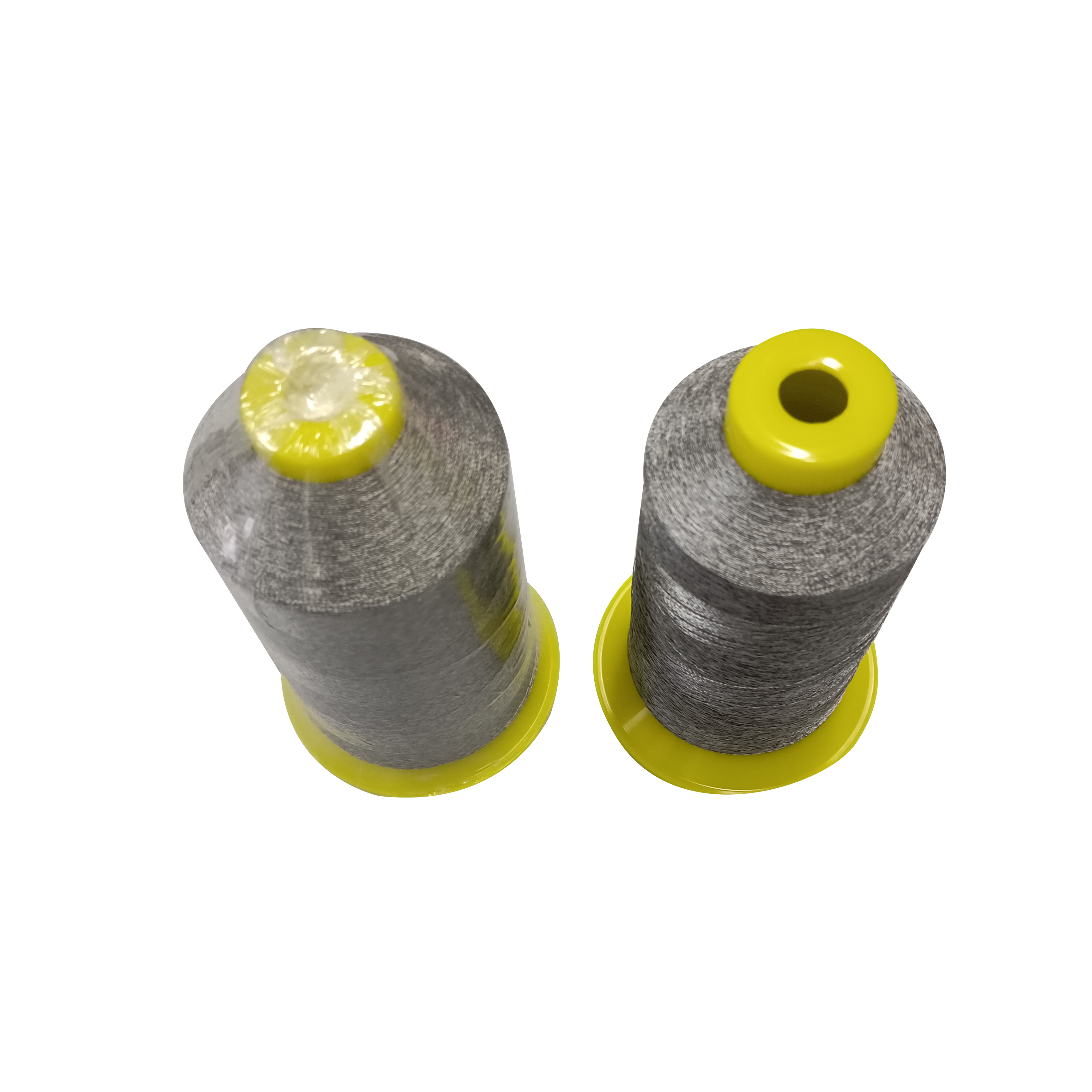
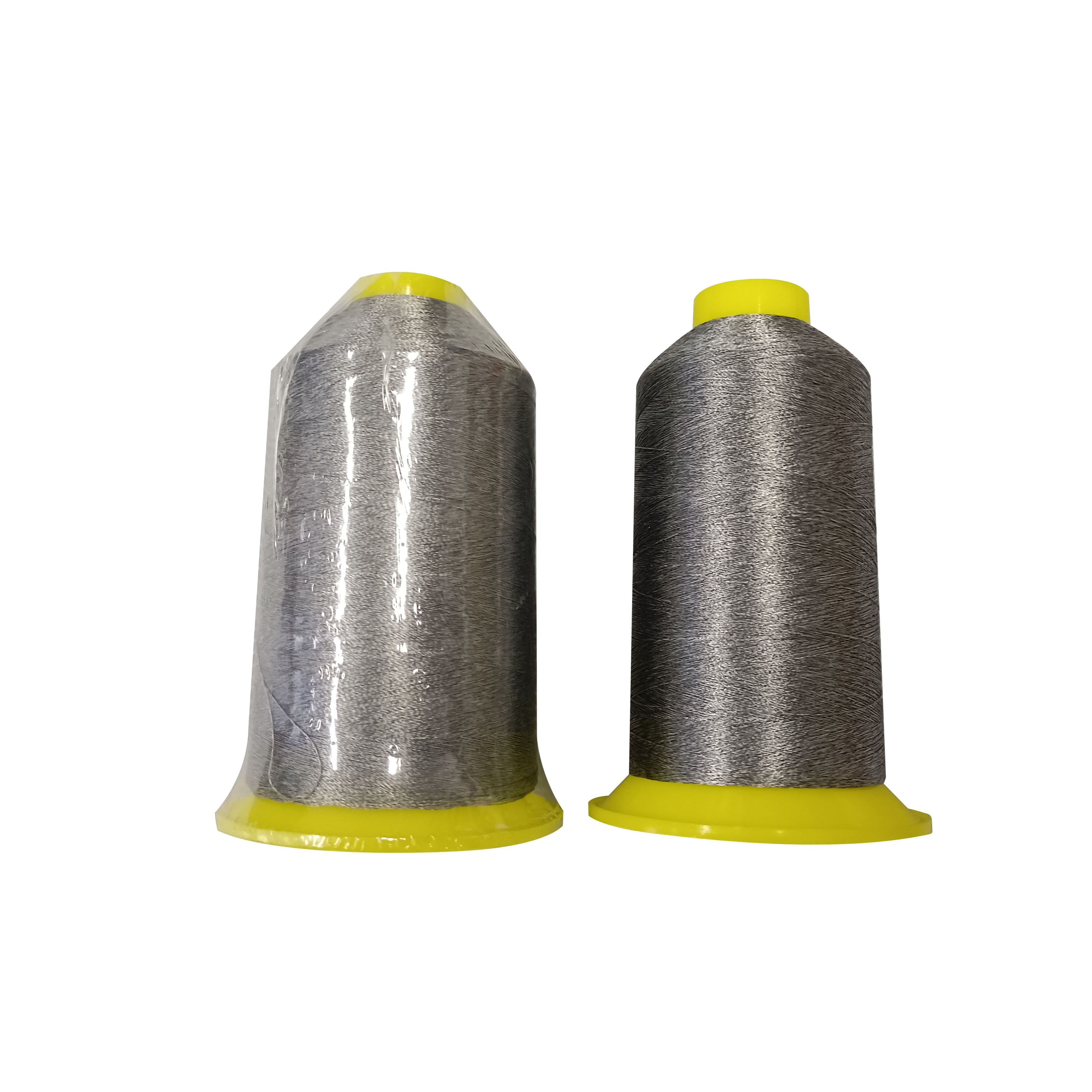
| Product Name | 21S-2 Conductive Yarn |
| Brand | Leenol |
| Place of Origin | Shanghai, China |
| Composition | 30% metal fiber, 35% cotton, 35% terylene blended |
| Material | Silver plated, polyester / acrylic thread |
| Pattern | Polyester content dye |
| Feature | Antistatic, high temperature resistant, anti-bacteria |
| Application | Touch screen glove, antistatic brush, antistatic wrist strap, etc. |
| Size | Depends on selection, usually 150D/3 |
| Usage | Sewing, Knitting |
| MOQ | No MOQ if in stock; if not in stock, MOQ is 50 cones |
| Color | Dye color or silver |
| Strength | Depends on selected specification |
| Packing | 100g / cone or 1000g / cone |
| Sample | Available |
| Sample Lead Time | 7 days support |
This yarn is developed for products that need conductive or antistatic performance rather than ordinary sewing strength alone. It is especially suitable for textile items used in ESD control and touch-compatible applications.
With metal fiber, cotton, and terylene blended together, the yarn is designed to balance conductivity with processability and fabric compatibility. This makes it more suitable for industrial sewing and knitting than single-function thread materials.
Unlike some specialty conductive materials that are limited in processing, this yarn is intended for both sewing and knitting, giving manufacturers more flexibility in product development and production methods.
The product can be selected in different strengths, sizes, and colors according to application needs. The commonly used size is 150D/3, while dye color and silver options help meet different product design requirements.
If stock is available, there is no MOQ requirement. This makes the product suitable not only for bulk production but also for sampling, trial orders, and small-batch development projects.
From the material classification table in your image, conductive threads can be grouped into silver fiber conductive threads, metal conductive threads, and carbon fiber threads. The table indicates that silver fiber and metal conductive threads are used for conductivity and touch-screen applications, while carbon fiber thread is positioned more toward antistatic use.
Based on the product information you provided, this yarn belongs more to the conductive textile category used for functional accessories rather than general decorative thread. It is intended for technical textile applications where conductivity and antistatic behavior are important.
This conductive yarn is suitable for producing touch screen gloves that require conductive contact performance in fingertip or functional sewing areas. The material classification image also notes touch-screen use for conductive thread types.
It can be used in antistatic brush production where conductive textile materials help reduce static accumulation in cleaning or handling processes.
The yarn is also suitable for antistatic wrist strap components and related ESD protection accessories that require conductive or static-dissipative textile materials.
It can be applied in conductive seams, functional straps, textile assemblies, and customized industrial sewn products requiring antistatic finishing.
Because the yarn supports knitting use, it is also appropriate for antistatic knitted fabrics, conductive cuffs, and other wearable technical textile structures.
This product is more than a standard sewing thread. It is a technical yarn developed for manufacturers who need conductivity, antistatic performance, and textile usability in one material.
With sample support and flexible MOQ conditions, it is well suited for both OEM development and regular production supply.
Its applications cover gloves, brushes, wrist straps, and related sewn or knitted products, making it a versatile conductive yarn choice for ESD product manufacturers.