
| Material: | Type: |
| Plastic | Tray packaging |


| Plastic Type: | material: |
| PP | eco-friendly |
| Process Type: | usage: |
| Blister | packing and transport |
| Custom Order: | Color: |
| Accept | Customized |
| Place of Origin: | Size: |
| Guangdong, China | Customized Size |
| Brand Name: | Logo: |
| ksm | Customer's Logo |
| Model Number: | Thickness: |
| ksmt-t0101 | 0.25mm~1.5mm |
| Use: | Certificate: |
| Electronic | ISO9001:2008 |
| Blister trays: | Plastic trays: |
| ESD tray | PP tray |
Leenol
| Availability: | |
|---|---|
| Quantity: | |
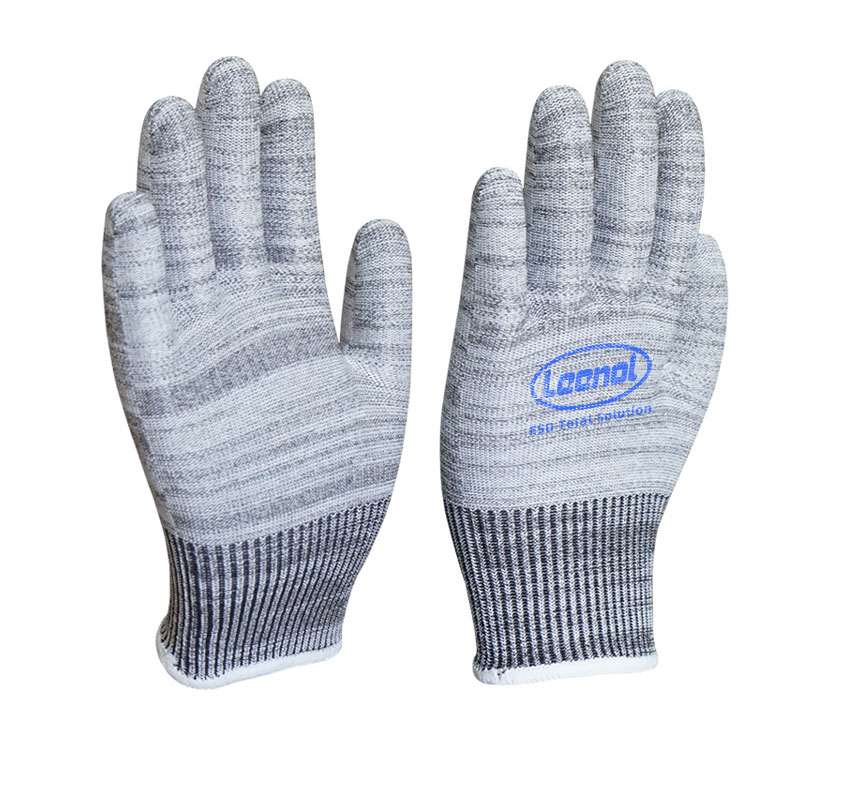
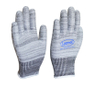
| Product Name: | Industrial Use Protective HPPE Level 5 Cut-Resistant Working Safety Gloves safety gloves |
| Colour: | Gray work gloves factory |
| Size: | S,M,L,XL work glove manufacturer |
| Material: | HPPE gloves cut resistant level 5 |
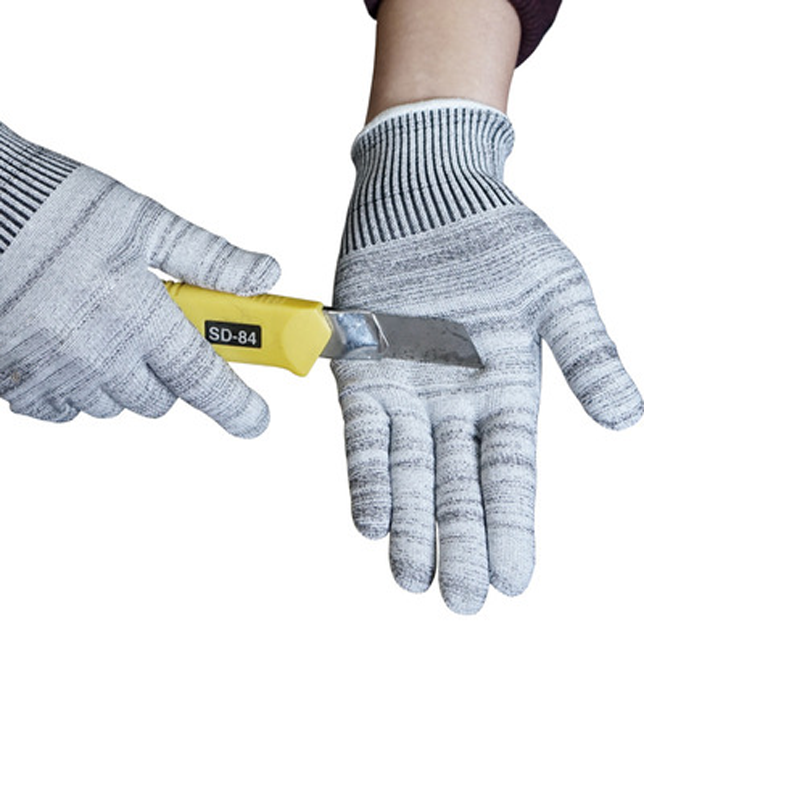
| Feature: | Breathable Anti-cutcut resistant safety gloves |
| Certification: | EN388 |

| Item | Product Information |
|---|---|
| Product Name | HPPE Level 5 Cut Resistant Gloves |
| Brand | LEENOL |
| Material | HPPE |
| Color | Gray |
| Available Sizes | S, M, L and XL |
| Protection Type | Cut-resistant hand protection |
| Listed Cut Level | Level 5 |
| Product Features | Breathable and anti-cut |
| Standard Listed on Page | EN388 |
| Intended Use | Industrial handling and workplace hand protection |
| Product Category | Protective working gloves |
The current product page does not provide the glove coating material, knitting gauge, cuff design, abrasion level, tear resistance, puncture resistance, EN388 performance code or packaging quantity. These details should be confirmed in the final technical specification.
HPPE is used in protective gloves intended for tasks involving sharp-edged materials and components. Its fiber structure allows manufacturers to produce gloves that combine cut resistance with a relatively lightweight and flexible form.
For operators performing repetitive handling work, glove flexibility is important because excessively rigid hand protection can interfere with gripping, positioning and transferring components. The HPPE construction of these gloves is intended to provide a balance between hand protection and routine working movement.
The suitability of the gloves still depends on the specific hazard. Buyers should evaluate the shape, sharpness, weight and surface condition of the materials being handled rather than relying only on the stated cut level.

The product page identifies the gloves as Level 5 cut resistant. This makes them relevant to industrial activities involving sheet materials, components, tools or products with exposed edges.
The term “Level 5” should be supported by the applicable test method and full performance result before it is used in formal safety documentation. Different standards and revisions may use different rating systems, so buyers should request the current test report when a defined protection level is required.
The gloves are manufactured from HPPE material. This material is commonly selected for protective handwear that must provide cut resistance without creating an unnecessarily heavy glove structure.
The material supports routine hand movement during handling, sorting, assembly and inspection work. Actual protection performance depends on the complete glove construction rather than the fiber name alone.
The product page lists breathability as one of the glove’s features. A breathable structure can help improve wearing comfort during repetitive tasks and extended operating periods.
Workplace temperature, operating duration and worker activity should still be considered when selecting protective gloves. Breathability does not mean the glove is suitable for chemical exposure, liquids, heat or other hazards unless those properties are separately confirmed.
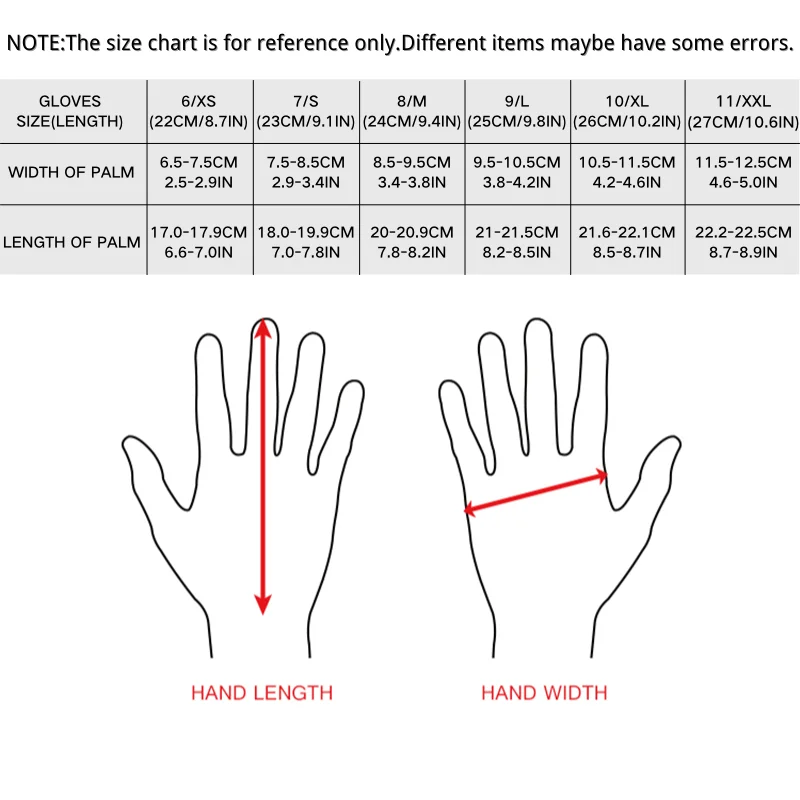
The gloves are available in S, M, L and XL. Providing several sizes allows employers to select a closer fit for different workers.
Correct glove sizing is important because gloves that are too loose may reduce grip and control, while gloves that are too tight can restrict movement and become uncomfortable during extended use.
The listed glove color is gray. The neutral industrial color is suitable for use across workshops, production departments, warehouses and maintenance areas.
Color should not be used as the only method of identifying protection level. Factories should use labels, storage locations or internal product codes to distinguish different glove specifications.
The combination of HPPE material, breathable construction and multiple sizes makes the gloves suitable for routine manual operations where workers repeatedly pick up, position, inspect or transfer industrial components.
The exact glove configuration, including any palm coating or grip treatment, is not described on the current page and should be confirmed before the gloves are selected for smooth, oily or wet materials.
The gloves may be used when operators handle suitable metal parts, stampings, brackets, profiles or other components with edges that could cause minor cutting injuries.
Workers should still avoid direct hand contact with uncontrolled sharp edges whenever tools, fixtures or mechanical handling methods can be used.
Employees working around sheet metal, plastic sheets, panels or similar materials may require cut-resistant gloves during loading, unloading, positioning and sorting.
The required protection level should be selected according to material thickness, edge condition and handling force.
The gloves can support assembly work involving metal housings, brackets, fasteners, machine components and fabricated parts.
A correctly sized glove can help operators retain hand movement while providing additional protection against incidental edge contact.
Automotive production and component suppliers frequently handle stamped parts, machined components, panels and assemblies.
Cut-resistant gloves may be used in suitable receiving, sorting, assembly and inspection operations after the workplace hazard has been assessed.
The gloves may be considered for handling appropriate glass products or processed glass components. However, glass edges can create severe cut and puncture hazards.
Buyers should confirm the full test performance and evaluate whether additional wrist, forearm or impact protection is required.
Warehouse personnel may encounter metal parts, tools, packaging straps, hardware and components with rough or exposed edges.
Cut-resistant gloves can provide additional hand protection during picking, sorting, repacking and internal distribution tasks.
Maintenance personnel frequently handle machine covers, replacement parts, tools and damaged components.
These gloves may support general mechanical maintenance work where cut hazards are present but should not be used for electrical, chemical, thermal or rotating-equipment hazards unless separately approved.
The gloves may be considered for handling suitable profiles, panels, tools, hardware and building components.
The product page does not confirm protection against impact, vibration, heat, chemicals or puncture hazards, so additional PPE may be required according to the task.
LEENOL supplies protective and ESD-related products for factories and laboratories. These cut-resistant gloves may be used for suitable electronics equipment assembly tasks involving metal housings, chassis or mechanical components.
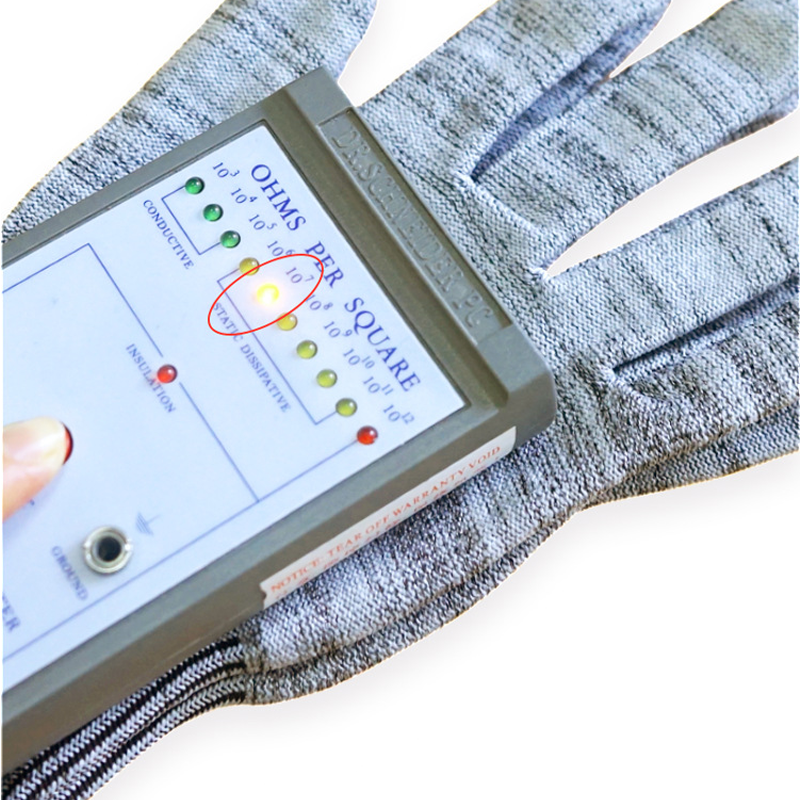
However, the page does not provide electrical resistance data. The gloves should not be described or used as ESD-safe gloves unless their antistatic performance has been tested and confirmed.