English
Views: 286 Author: Site Editor Publish Time: 2026-04-07 Origin: Site


In modern workplaces, safety is no longer only about helmets, gloves, or protective clothing. As more industries rely on electronics, automation, precision assembly, and clean production environments, controlling static electricity has become an essential part of everyday operations. That is why ESD Shoes are now widely used in factories, laboratories, cleanrooms, warehouses, and many industrial workplaces.
Many buyers and end users search for terms like ESD Shoes, esd safety shoes, and Anti static shoes. In practical use, these terms are often used in a very similar way. They generally refer to footwear designed to help reduce static buildup and safely discharge electrostatic charges, while in many work environments they also provide daily foot protection, comfort, and durability. No matter which term people use, the goal is the same: to protect workers, sensitive equipment, and production quality.
Static electricity may seem like a small issue in daily life, but in professional settings it can become a serious problem. A small discharge that a person barely notices can damage electronic components, affect product performance, attract dust in controlled areas, or even increase risk in certain industrial environments. For businesses that value product quality, worker safety, and reliable production, choosing the right anti static footwear is not optional. It is a smart investment.
In this article, we will look at what anti static shoes are, how they work, why they matter, where they are commonly used, what features to look for, and how to choose the right pair for your workplace.
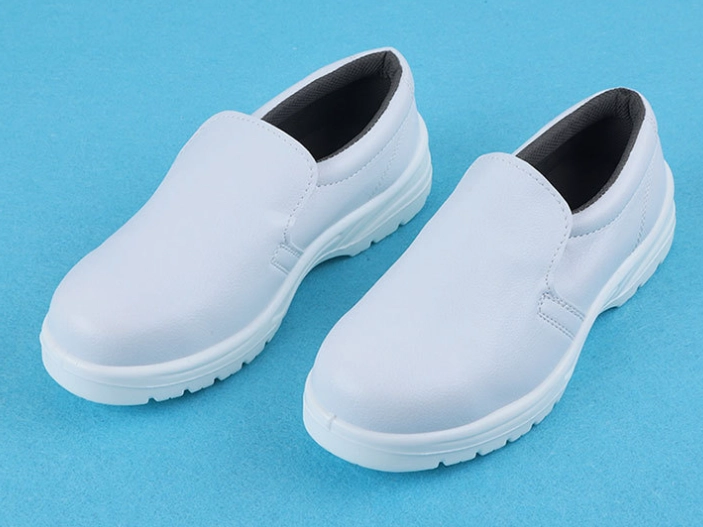
Anti static shoes are specially designed footwear made to reduce the buildup of static electricity on the human body and help guide that charge safely to the ground. In many industries, these shoes are also referred to as ESD Shoes or esd safety shoes, especially when they are used in electronics manufacturing or workplaces with additional protection requirements.
Unlike ordinary shoes, which may allow static charges to build up while walking, anti static footwear is made with materials that help control electrical resistance. This allows electrostatic charges to dissipate in a controlled way rather than building up and releasing suddenly.
For many companies, anti static shoes are an important part of an overall ESD control system. They are used together with ESD floors, workbenches, garments, packaging materials, and grounded equipment to create a safer and more stable working environment.
Static electricity is created easily. A person can build up a charge simply by walking, moving materials, or working in a dry environment. In ordinary daily life, that may only cause a minor spark. But in industrial and technical environments, the consequences can be much more serious.
A good pair of Anti static shoes is designed to:
The shoe helps prevent excessive electrostatic charges from accumulating on the body.
It provides a controlled path for the charge to move from the body to the ground.
This is especially important in electronics production, cleanrooms, and technical work areas.
In many cases, anti static footwear also includes anti-slip, anti-smash, anti-puncture, and oil-resistant features.
To understand the value of ESD Shoes, it helps to understand the basic principle behind static electricity. When two materials come into contact and then separate, electrons can transfer from one surface to the other. This creates an electrical imbalance, which we recognize as static electricity.
In workplaces, this can happen from:
Walking across floors
Handling plastic materials
Moving boxes or containers
Wearing unsuitable clothing
Working in dry air conditions
If the charge remains on the body, it can eventually discharge when the person touches equipment, products, metal surfaces, or another conductive object. This sudden release is called electrostatic discharge.
Anti static shoes help solve this problem by allowing the electrical charge to move gradually through the shoe and into the floor. This reduces the chance of sudden sparks or static damage.
The function of anti static footwear is not simply to conduct electricity as fast as possible. Instead, the shoe must provide controlled resistance. This allows the charge to dissipate safely and steadily while keeping the shoe suitable for daily workplace use.
For the best results, esd safety shoes should be used with compatible flooring. The shoe and the floor work together as a system. If the floor does not support static dissipation, the effect of the footwear may be reduced.
ESD flooring
Grounded workstations
Anti static garments
ESD chairs and mats
Proper packaging materials
Testing and monitoring equipment
When these elements are used together, the workplace becomes safer and more reliable for both workers and products.
Many companies do not fully realize how important anti static footwear is until static electricity causes a product failure, production loss, or safety issue. In reality, Anti static shoes are needed because they protect much more than just the wearer’s feet.
In electronics manufacturing, even a tiny electrostatic discharge can damage microchips, semiconductors, printed circuit boards, sensors, and other delicate components. Sometimes the damage is immediate. Sometimes it causes hidden defects that are only discovered later, which can lead to returns, repairs, or customer complaints.
When static is controlled properly, product consistency improves. Businesses can reduce defects, lower rework rates, and avoid unnecessary waste. This is especially important for industries where precision and reliability are critical.
In some work environments, esd safety shoes do more than control static. They also provide physical protection against impact, compression, puncture hazards, and slippery floors. This makes them an excellent choice for industrial workshops, assembly lines, and warehouses.
In cleanrooms and laboratories, static can attract dust and particles, affecting cleanliness and product quality. Anti static footwear helps reduce this issue and supports better environmental control.
A high-quality pair of ESD Shoes can help businesses avoid the much larger costs associated with damaged products, interrupted workflows, workplace incidents, and poor employee comfort.

One common misunderstanding is that anti static shoes are only needed in electronics factories. In fact, they are used in a wide range of industries.
This is one of the most common applications. Workers assembling, testing, inspecting, or packaging electronic components need reliable static protection every day.
Semiconductor environments require extremely strict static control because the products are highly sensitive. Proper footwear is a basic requirement in such workplaces.
Cleanrooms used in electronics, pharmaceuticals, biotechnology, and medical manufacturing often require anti static footwear to help maintain controlled conditions.
In many labs, staff need footwear that supports both cleanliness and safety. Anti static shoes can be an important part of PPE requirements.
Modern workshops often combine machinery, metal parts, electrical systems, and sensitive equipment. esd safety shoes are a practical choice because they offer both static control and foot protection.
When workers handle sensitive electronic products during storage, movement, and packaging, anti static shoes can help reduce accidental product damage.
Factories producing components for electronics, automotive systems, telecom equipment, and smart devices often require anti static footwear as part of standard workplace protection.
Not all anti static footwear offers the same level of performance. If buyers want long-term value, they should pay attention to quality, material selection, construction, and user comfort.
The most important feature is stable and consistent static dissipation. Good ESD Shoes should maintain dependable performance during daily use.
Many high-quality models use leather uppers because they are durable, supportive, and suitable for industrial use. A strong upper helps extend product life and improve wearer comfort.
Slip resistance is important in almost every workplace. Factory floors, work areas, and warehouses may have smooth surfaces, dust, or light oil exposure. A non-skid sole improves daily safety.
In some industrial environments, oil-resistant soles are essential. They help maintain durability and traction over time.
Many esd safety shoes include steel toe caps or stainless steel toe protection. This helps protect the foot from falling tools, heavy materials, and compression hazards.
For workplaces where sharp objects may be present, an anti-puncture midsole offers extra protection.
Workers often wear safety footwear for a full shift. Comfort matters. A good pair of Anti static shoes should provide support, breathability, and reduced fatigue for daily wear.
Strong stitching, reliable sole bonding, and quality materials all contribute to longer service life. Durable shoes offer better value over time.
Choosing the right anti static footwear depends on the job, the workplace environment, and the level of protection required. A smart purchase decision considers both technical performance and user comfort.
Before choosing a shoe, ask what kind of workplace it will be used in. Is it a cleanroom, an electronics line, a warehouse, or a heavier industrial environment? The answer will help determine which style and features are necessary.
Some workers only need static control and general comfort. Others need full esd safety shoes with toe caps, puncture resistance, and slip-resistant outsoles.
A good anti static shoe should be made from durable, workplace-friendly materials. The sole should provide reliable grip and stable anti static performance. The upper should withstand long hours of use.
Fit is often overlooked, but it directly affects comfort, productivity, and compliance. If footwear is too loose, too tight, or too heavy, workers are less likely to wear it properly and consistently.
Different jobs and different users may require different designs. This is one reason why many buyers now look for options such as esd shoes for ladies, which provide a better fit and improved comfort for female workers.
For distributors, brands, and large buyers, customization can be very valuable. Size ranges, style options, logos, packaging, and special material requirements can all make a big difference in market competitiveness.

Some buyers focus only on technical performance and forget that footwear is something workers wear all day. A shoe that looks good on paper but feels uncomfortable in practice will not deliver the best results.
Comfort matters because it affects:
Employees work better when their feet feel supported and comfortable.
Workers are more willing to wear footwear correctly when it is comfortable.
A better design helps reduce foot strain during long working hours.
Comfortable PPE contributes to a better workplace experience.
That is why manufacturers today offer more styles, lighter designs, and more ergonomic solutions, including dedicated choices for women such as esd shoes for ladies.
To get the best value, businesses should avoid several common purchasing mistakes.
Low-cost shoes may seem attractive at first, but poor durability or unstable performance can cost more later through replacements, discomfort, or product risk.
A cleanroom and a heavy-duty workshop do not need exactly the same shoe. Buyers should match the product to the real working environment.
Some workplaces need more than basic static control. If there are impact or puncture risks, esd safety shoes are usually the better solution.
Even high-quality anti static performance will not help much if the workers dislike wearing the shoes.
Different workers may need different cuts, sizes, and designs. Offering better choices can improve employee acceptance and long-term use.
From a business perspective, anti static footwear is not just another item of PPE. It is closely connected to quality control, risk reduction, and operational efficiency.
A strong anti static program can help businesses:
Static-sensitive products are better protected during assembly, testing, and packaging.
Good ESD control reduces the risk of product failures that appear later.
Shoes with anti-slip, anti-smash, and anti-puncture features improve worker protection.
Customers and partners often value suppliers that follow strong safety and quality practices.
Reliable ESD Shoes may cost more upfront, but they provide better value through durability, safety, and reduced production risk.
One reason Anti static shoes remain popular is that they fit many workplace needs at the same time. They are not only about static control. They can also support comfort, cleanliness, product quality, and employee protection.
They help protect sensitive components from electrostatic damage.
They help reduce particle attraction caused by static buildup.
They can combine static control with impact and puncture protection.
They support safer operations and better product consistency.
This wide range of benefits is why so many buyers search for ESD Shoes, esd safety shoes, and Anti static shoes when sourcing workplace footwear.
No matter how good a product description sounds, the actual manufacturing capability behind the shoe is what determines long-term quality. An experienced manufacturer can better control materials, workmanship, anti static performance, and comfort.
A professional supplier can also offer:
Consistency matters, especially for repeat orders and large projects.
Different markets and workplaces need different products.
OEM and ODM support is important for many distributors and business buyers.
A specialist in ESD Shoes understands how to balance protection, comfort, and durability.
For buyers looking for reliable anti static footwear, it is important to work with a manufacturer that understands both ESD protection and practical workplace needs. With over 15 years of manufacturing experience in the field of ESD Shoes, LEENOL provides high-quality footwear solutions for factories, cleanrooms, laboratories, and industrial workplaces. Its product range includes Anti static shoes, esd safety shoes, and multiple styles designed for durability, comfort, and stable anti static performance. With features such as high-grade protective toe caps, anti-puncture soles, dependable materials, and customization service, LEENOL helps global customers find suitable footwear solutions for different working environments while supporting safer and more efficient production.
Anti static shoes are used to reduce static electricity buildup on the human body and safely discharge it to the ground. They are commonly used in electronics manufacturing, cleanrooms, laboratories, and industrial workplaces.
Yes. Many ESD Shoes are suitable for industrial use, especially when they also include safety features such as slip resistance, toe protection, and anti-puncture soles.
Because even small static discharges can damage sensitive electronic components. esd safety shoes help reduce that risk while also protecting workers’ feet in daily operations.
Yes. Many manufacturers offer esd shoes for ladies with improved fit, comfort, and practical design while still providing reliable anti static performance.
You should consider the workplace environment, required safety level, material quality, comfort, sole performance, and whether customization is needed. Choosing an experienced manufacturer is also very important.