English
Views: 358 Author: Site Editor Publish Time: 2026-04-14 Origin: Site


In controlled environments, cleanliness is not just a preference. It is a requirement. Whether in electronics manufacturing, pharmaceutical production, laboratories, hospitals, or precision workshops, even a small amount of dust can affect product quality, operational safety, and workplace standards. That is why a Sticky Mat is such a simple yet important tool in contamination control.
A cleanroom sticky mat is designed to capture dust, dirt, and particles from shoes, carts, and equipment wheels before they enter a controlled area. It is usually placed at entrances, transition zones, or critical pathways where people and materials move in and out. By removing contaminants at the point of entry, it helps reduce the spread of unwanted particles into sensitive environments. For facilities that need practical and efficient floor-level contamination control, a sticky mat for dust control is often one of the easiest and most effective solutions.
Although sticky mats are widely used, many buyers and users still ask the same question: how should a cleanroom sticky mat be used correctly? Proper use is important because even a high-quality mat will not deliver its full value if it is installed incorrectly, placed in the wrong location, or not replaced at the right time. A well-used disposable sticky mat helps improve cleanliness, supports workflow control, and contributes to a more professional operating environment.
This guide explains how to use a cleanroom sticky mat properly, where to place it, when to replace it, what common mistakes to avoid, and why it remains an essential part of contamination control in many industries.
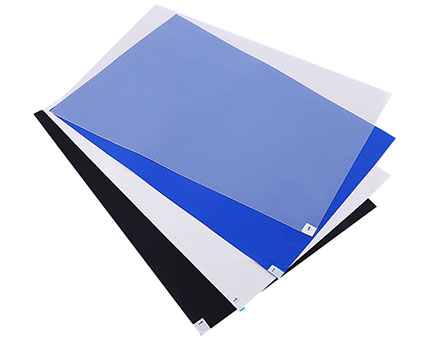
A cleanroom sticky mat is a multi-layer dust control mat made with an adhesive surface that captures dirt and particles from foot traffic and equipment wheels. It is commonly used in cleanrooms, laboratories, workshops, hospitals, and other sensitive environments where contamination must be controlled. According to the product information you provided, LEENOL Sticky Mats use pressure-sensitive adhesive and are designed to deliver effective dust capture, with dirt removal efficiency reaching 99.9% in applicable conditions.
These mats are usually placed on the floor at entry points so that shoes and wheels come into contact with the adhesive surface before entering the controlled space. In this way, a sticky mat for dust control acts as the first line of defense against contamination.
Dust and particles are often carried into clean areas by ordinary movement. Every time a worker walks into a room or a trolley moves across the floor, contaminants can be transferred from one zone to another. A cleanroom sticky mat helps stop part of that contamination before it spreads.
Sticky mats are available in different forms, including:
This is the most common type. It has multiple adhesive layers, and each used top sheet can be peeled away to expose a fresh layer underneath.
Some versions use reusable materials and can be cleaned for repeated use, offering a longer service life in certain applications. The product资料 you shared also includes a washable PU version.
Some people think a sticky mat only needs to be placed on the floor and stepped on. In reality, correct placement and proper daily use make a big difference. A poorly used mat may collect less dust, wear out faster, or fail to protect the most important areas.
A well-used Sticky Mat helps facilities:
It removes particles from shoes and wheels before they move deeper into the controlled environment.
By lowering the amount of contamination entering the room, the mat helps maintain better cleanliness standards.
This is especially important in cleanrooms, electronics production, labs, hospitals, and precision assembly areas. The uploaded product text specifically lists cleanrooms, laboratories, workshops, hospitals, and food industries among its key applications.
A sticky mat for dust control works as part of a broader cleanliness system, helping reduce the burden on cleaning and maintenance routines.
Correct location is one of the most important parts of proper use. If the mat is placed in the wrong spot, people may step around it, carts may miss it, or contaminants may already have entered the sensitive area before the mat can do its job.
The most common location is directly outside the entrance to a cleanroom, lab, or protected area. This allows shoes and wheels to be cleaned before entering.
A cleanroom sticky mat also works well in buffer zones, gowning areas, or between spaces with different cleanliness levels.
In places where many people or carts move in and out, placing a Sticky Mat in the right traffic path helps maximize contact with the adhesive surface.
If the workspace uses carts, trolleys, or movable equipment, the mat should be wide and long enough to make sure wheels pass over it completely.
users cannot easily step around it
wheels roll directly across it
the surface lies flat and stable
traffic naturally passes over the mat
According to the material you provided, non-standard sizes can be customized, which is useful when standard sizes do not fit the actual entry area.
Installing a disposable sticky mat correctly is simple, but a few details matter if you want the best performance.
Before placing the mat, make sure the floor is dry, clean, and free from loose dust or oil. If the surface is dirty, the mat may not sit properly or may lose stability during use.
Place the mat exactly where foot traffic or wheels will pass. Avoid corners or side areas where users can bypass it.
Make sure the mat lies evenly on the floor without curling edges or trapped air underneath. A flat surface improves both safety and dust collection.
Depending on the mat design, remove any base protection layer and secure the mat to the floor according to product format.
Some facilities prefer to align the mat so that users take at least two steps on it before entering the controlled space. This increases contact between footwear and the adhesive surface.
use the mat at the actual point of entry
keep the area around the mat clean
replace or peel layers before the surface loses adhesion
make sure traffic flow is guided over the mat

Once installed, the mat should be part of the regular workflow. Proper use means more than simply stepping on it once in a while.
Users should step onto the Sticky Mat with enough contact to allow the adhesive layer to collect dust and debris from the shoe sole. Quick edge contact is less effective.
For carts and trolleys, wheels should roll across the full adhesive area, not just touch one side briefly.
A sticky mat for dust control is intended to remove normal surface dust and particles. If extremely heavy dirt, liquid contamination, or thick debris is brought onto the mat, performance may decline more quickly.
As the top layer collects more dirt, the adhesive performance gradually decreases. Once the top sheet becomes visibly dirty or less tacky, it should be peeled away.
stepping on the center of the mat
using enough contact area
checking the surface regularly
replacing dirty top layers promptly
The product information you provided notes that the PE mat is designed to be easy to tear, which supports convenient daily layer replacement.
One of the biggest advantages of a disposable sticky mat is that it can be refreshed quickly by removing the used top layer. But many users wait too long to do this.
If you can clearly see dust, footprints, wheel marks, or particle buildup, the adhesive surface may already be less effective.
Even if the mat does not look extremely dirty, reduced adhesion is a sign that a fresh layer is needed.
Entrances with heavy daily movement will need more frequent layer changes than smaller or lower-traffic locations.
Some facilities inspect mats once per shift, while others do so daily or several times a day depending on the environment.
visible footprints and dirt buildup
poor dust pickup
reduced sticky feel
surface looks dull or overloaded
This regular maintenance is one reason multi-layer sticky mat systems remain so practical in contamination-sensitive environments.
Removing a used layer should be done in a clean and controlled way.
Most mats include a corner tab or easy-tear edge to help lift the used layer.
Do not pull too fast, as this may disturb collected dust or affect the neatness of the new layer below.
A used disposable sticky mat sheet has already collected contamination, so it should be removed from the work area and discarded properly.
After peeling, confirm that the new top layer is clean, flat, and ready for use.
A sticky mat for dust control works best when it is treated as part of a larger contamination control strategy.
Sticky mats help reduce particle entry, but they should not replace floor cleaning, shoe policies, or sanitation procedures.
If the mat is too small, users may not make enough contact with it. The supplied product info notes multiple standard sizes and also supports custom sizing.
Workers should know that they need to walk directly over the mat instead of stepping over the edge or around it.
Different facilities may need different materials or formats. For example, disposable PE mats are common for routine entry dust capture, while washable PU mats may suit users who want a reusable option.
If fresh layers or replacement mats are not available when needed, the system becomes less effective.
Even though the product is simple, several common mistakes can reduce its performance.
If users can walk between the mat and the controlled room, they may pick up new dust after stepping on it.
A small Sticky Mat may not provide enough contact area for shoes or wheels.
A loaded adhesive surface cannot continue to capture dust effectively.
If workflow design does not force contact, many people may unknowingly step around it.
A cleanroom sticky mat is helpful, but it works best as part of a broader contamination control plan.

Your product information already highlights several major application areas, and these are also the environments where correct usage matters most. LEENOL Sticky Mats are presented for use in clean rooms, laboratories, workshops, hospitals, and sensitive environments, with broad application in clean room workshops, laboratories, hospitals, and food industries.
A cleanroom sticky mat helps reduce external particles before they enter the controlled zone.
It helps protect experiments, testing conditions, and sensitive work surfaces from tracked-in contamination.
A sticky mat for dust control is useful at entrances to dust-sensitive or precision work areas.
Sticky mats can support cleaner passage areas where hygiene and particulate control are important.
In some cases, sticky mats can help support cleaner transitions into controlled production zones.
Proper use also depends on choosing the right product.
High-traffic entrances may require larger mats, more frequent layer changes, or more durable options.
The uploaded product data shows both PE and PU options. PE models are commonly used as multi-layer disposable mats, while PU washable mats offer reusable convenience.
A mat should fit the entry path well enough to capture dust effectively from both feet and wheels.
The product data notes compliance with SGS, ROHS, and CE standards, which can support quality and purchasing confidence.
If your entry size or layout is unusual, custom sizing or color selection may improve usability and appearance. The uploaded material specifically mentions customizable sizes and colors.
A Sticky Mat remains one of the most practical contamination control products because it is simple, effective, and easy to maintain. It does not require complicated equipment or technical operation, yet it can make a visible difference in how much dust and debris enters a sensitive environment.
For facilities that want a straightforward sticky mat for dust control, the key is not only buying the product, but also using it correctly. Good placement, proper traffic guidance, regular layer replacement, and matching the mat to the environment all help improve results.
For buyers looking for a reliable cleanroom sticky mat, working with an experienced supplier can make the selection process much easier. Based on the product information you shared, LEENOL Sticky Mats are designed for cleanrooms, laboratories, workshops, hospitals, and other sensitive areas, offering effective dust capture, customizable sizes and colors, and both disposable PE and washable PU options. With dirt removal efficiency of up to 99.9% and compliance with SGS, ROHS, and CE standards, LEENOL provides practical contamination control solutions for customers who need dependable and professional dust management products.
Place it at the entrance of the controlled area, make sure users walk fully across it, and replace the top adhesive layer when it becomes dirty or less sticky.
It is used to capture dust and particles from shoes and wheels before they enter cleanrooms, labs, workshops, hospitals, and other sensitive environments.
It depends on traffic and contamination level, but the layer should be replaced when it looks dirty or no longer has strong dust-catching adhesion.
It should be placed directly at entry points, transition areas, or traffic paths leading into the clean or controlled zone.
A disposable sticky mat uses peel-away adhesive layers for replacement, while a washable sticky mat can be cleaned and reused for extended service life.