English
Views: 189 Author: Site Editor Publish Time: 2026-01-02 Origin: Site


Sticky mats, also known as tacky mats or cleanroom mats, are deceptively simple tools that play a critical role in contamination control across a wide range of industries. You might see them at the entrance of a laboratory, a hospital operating theater, or inside a high‑tech manufacturing cleanroom—but have you ever wondered how they actually prevent contamination? This article digs into the mechanisms, best practices, and real‑world applications of sticky mats, giving you a full picture from ground level up.
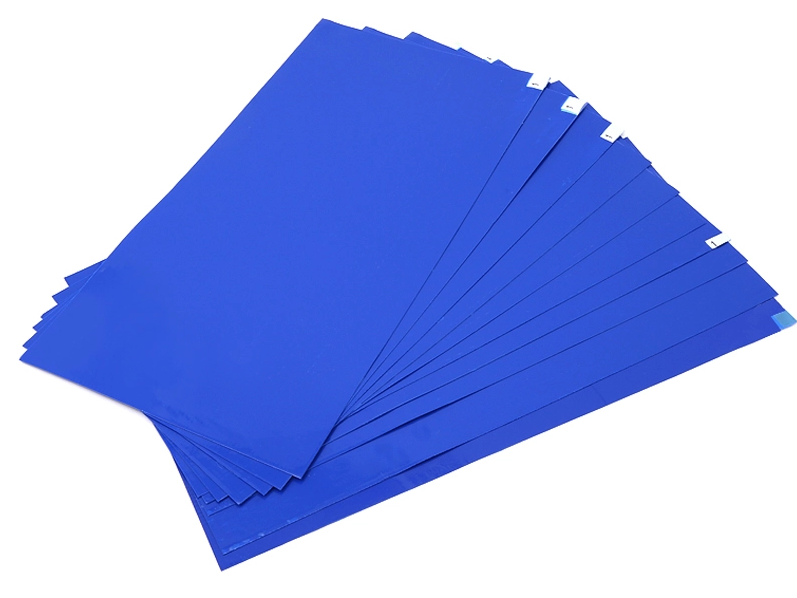
A sticky mat is a floor mat with an adhesive surface designed to capture particles from people’s footwear and equipment wheels before they enter a controlled environment. These mats act as an engineering control—a physical barrier that reduces the transfer of contaminants from one area to another.
There are two main types of sticky mats:
Disposable sticky mats: These have multiple adhesive layers stacked together. When the surface becomes covered with debris, you peel off the top layer to expose a fresh one.
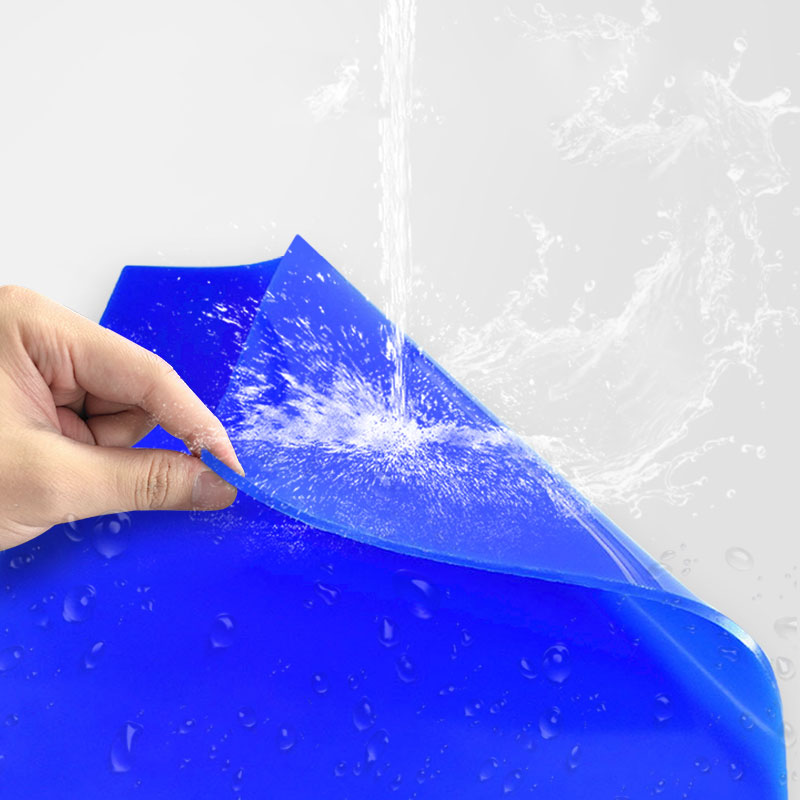
Washable or reusable sticky mats: These mats are made from materials that can be cleaned and reconditioned, restoring their tackiness without creating waste.
Both types are placed at key entry points to trap dirt, dust, and particles, which helps maintain cleanliness and minimize contamination downstream.
The primary way a sticky mat prevents contamination is by trapping particles at the source. Here’s how this happens in practice:
Contact with adhesive surface: When someone steps on the sticky mat, the adhesive picks up dirt, dust, soil, and even microscopic particles from shoes or wheels.
Mechanical removal of particulates: The adhesive surface physically grabs contaminants, preventing them from migrating deeper into clean spaces.
Layer renewal (in disposable mats): As the top layer becomes saturated, peeling it off reveals a new clean surface, ready to continue trapping particles.
Reusable cleaning (in washable mats): For permanent mats, periodic cleaning restores tackiness without producing waste.
These mechanisms mean that sticky mats are acting as a first line of defense—stopping contaminants before they travel further into sensitive spaces.
Before we go deeper into specific environments where sticky mats are used, it’s worth understanding why contamination is such a challenge. In cleanrooms and controlled spaces, even tiny particulates—from soil, fibers, dust, or microbes—can cause problems ranging from equipment failure to product defects or even health risks.
Sticky mats don’t eliminate all contamination, but they significantly reduce the amount of contamination introduced via foot and wheel traffic. By capturing particles early, sticky mats help other hygiene controls (like air filtration and protective clothing) work more effectively.
Various studies have examined sticky mat effectiveness. In clinical research, for example, sticky mats were shown to significantly reduce the count of microorganisms transferred on shoes, lowering contamination by up to around 56% in some cases.
Although sticky mats are not a complete solution by themselves (and best practice involves combining them with other measures), scientific findings confirm that sticky mats can help reduce microbial transfer and improve surface cleanliness.
Sticky mats are used in environments where minimizing contamination is critical. Below are typical applications and how sticky mats contribute to contamination prevention in each scenario.
In cleanrooms—spaces that must maintain extremely low particle levels—sticky mats are often the first barrier people encounter. They are placed at:
Entrances and exits
Change rooms
Transitions between different cleanliness zones
Sticky mats work in tandem with air filtration and cleanliness protocols to ensure that particles from shoes or wheels don’t enter the controlled environment.
Ensure mats are large enough for people to take multiple steps on them before entering the clean area.
Place mats on smooth, clean surfaces to maximize contact and effectiveness.
Use frames or mounting pads if the surface is uneven to prevent lifting at edges.
These placement strategies ensure sticky mats perform as intended and maximize their contaminant‑trapping capacity.
Healthcare settings use sticky mats to help control infections by reducing the spread of contaminants on shoes and carts. Sticky mats can be found at the entrance to operating theaters, sterile zones, and other critical care areas.
Although sticky mats are just one part of infection control, they provide a simple and passive way to intercept contaminants, especially in high‑traffic areas.
Industries that produce electronic components, pharmaceuticals, or precision equipment rely on sticky mats to keep dust and contaminants from entering production areas. Smaller particles in these environments may damage products or interfere with manufacturing processes, making sticky mats a cost‑effective tool for contamination control.
Sticky mats also help reduce maintenance costs by capturing debris that could otherwise accumulate on floors and equipment.
Food processing plants and labs often face strict cleanliness and hygiene requirements. Sticky mats help intercept particulate matter that could compromise food safety or contaminate scientific experiments. By capturing debris at entry points, sticky mats protect product quality and reduce potential sources of cross‑contamination.
By trapping contaminants at the entrance, sticky mats help reduce how often internal cleaning must occur, saving time and labor.
Sticky mats decrease the likelihood that particles will travel deeper into controlled spaces, which contributes to better overall hygiene and safety practices.
Sticky mats are typically low‑cost compared with the expenses associated with contamination‑related product rejection, equipment downtime, or extensive cleaning programs.
Maintaining sticky mats is essential for their continued effectiveness:
For disposable mats: Peel the top layer when it is visibly soiled to maintain adhesive performance.
For washable mats: Clean the mat according to manufacturer instructions to restore tackiness.
Place mats where personnel take multiple steps to ensure adequate contact with shoe soles.
Correct maintenance helps sticky mats keep performing their contamination‑trapping job reliably.
When selecting a sticky mat, consider factors such as:
Traffic volume and size of entryway
Required level of contamination control
Disposable versus reusable mats based on maintenance preferences
Adhesive strength suitable for foot and wheel loads
Choosing the right mat type and size ensures you get maximum contaminant capture with minimal disruptions.
Sticky mats may seem simple, but they serve a foundational role in contamination control by trapping dirt, dust, and particulates at the point of entry before they can penetrate sensitive environments. Whether you’re managing a high‑tech cleanroom, a busy hospital, or a food processing plant, sticky mats help reduce contaminant transfer and support your broader hygiene strategy.
At LEENOL, we understand that contamination control is about precision, reliability, and consistent performance. That’s why we offer a range of high‑quality sticky mat solutions designed for different industries and use cases. Our products are developed with stable adhesion, customizable options, and durable materials to meet the strict standards of modern cleanrooms, labs, healthcare settings, and industrial environments. Partner with LEENOL for reliable contamination control solutions you can depend on.
1. How does a sticky mat prevent contamination?
A sticky mat captures particles from shoes and equipment before they enter clean or controlled environments by using an adhesive surface to trap dust, dirt, and contaminants.
2. Where are sticky mats most commonly installed?
Sticky mats are typically placed at entrances to cleanrooms, healthcare facilities, laboratories, and production areas to reduce contaminant transfer.
3. What’s the difference between disposable and washable sticky mats?
Disposable sticky mats have multiple tear‑off adhesive layers, while washable mats are reusable and restored by cleaning.
4. How often should sticky mats be maintained?
Disposable mats should have the top layer peeled off when visibly dirty, and washable mats should be cleaned regularly based on traffic levels.
5. Can sticky mats help in reducing infection risks?
Yes, sticky mats help reduce the number of microorganisms transferred on shoes, contributing to better hygiene and lower contamination risks in sensitive environments.