English
Views: 888 Author: Site Editor Publish Time: 2026-01-25 Origin: Site


When I first started working in a lab environment, I quickly realized that not all protective footwear is created equal. Early on, I assumed that any kind of sturdy work shoe would suffice in places where safety matters, whether it was a manufacturing floor or an electronics testing area. However, I soon learned that safety shoes and ESD shoes serve fundamentally different purposes, and confusing the two can lead to serious consequences — from compromised personal safety to costly damage to sensitive equipment. Understanding the distinction between these types of footwear is not only important for compliance with workplace safety standards, but also essential for protecting both employees and the technologies they interact with. In this article, I’ll explain what sets safety shoes apart from ESD shoes, where each should be used, and how to choose the right pair for your specific work environment.
Alright, let’s start with safety shoes since they’re probably the ones most people think of first when it comes to protective footwear.
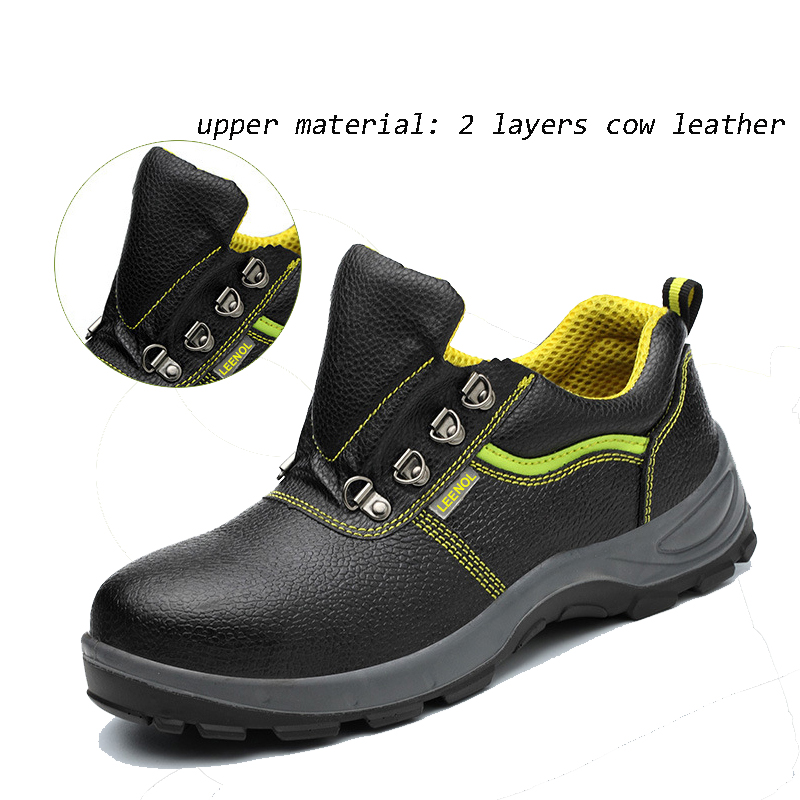
Safety shoes are shoes that are built to protect your feet from physical injuries. If you’re working in an environment where heavy boxes, tools, or machinery might fall on your feet — or where you could step on something sharp — safety shoes are what you want.
You know that feeling when you accidentally drop something heavy on your toe — like a dumbbell or a toolbox? Not fun. Safety shoes are designed to prevent that pain from turning into a serious injury.
The main goal of safety shoes is pretty straightforward: protect your feet from physical harm. That includes:
Impact protection (like something falling on your foot)
Compression protection (if something rolls over your foot)
Puncture resistance (in case you step on nails or sharp metal)
Slip resistance (so you don’t wipe out on a slick factory floor)
These are the kinds of dangers you’d expect in, say, a construction site, a warehouse, a manufacturing plant, or any heavy‑duty work environment.
Safety shoes are everywhere in jobs where physical hazards are a real thing. I’m talking about:
Construction sites (brick, lumber, cement, scaffolding — danger everywhere)
Warehouses (lots of heavy boxes, forklifts moving around)
Factories (machinery, tools, parts lying around)
Loading docks (lifting and moving stuff all day)
Basically, if workers are dealing with heavy equipment or materials that could hurt their feet — safety shoes are required.
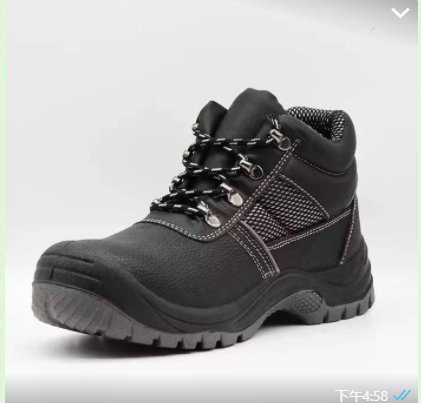
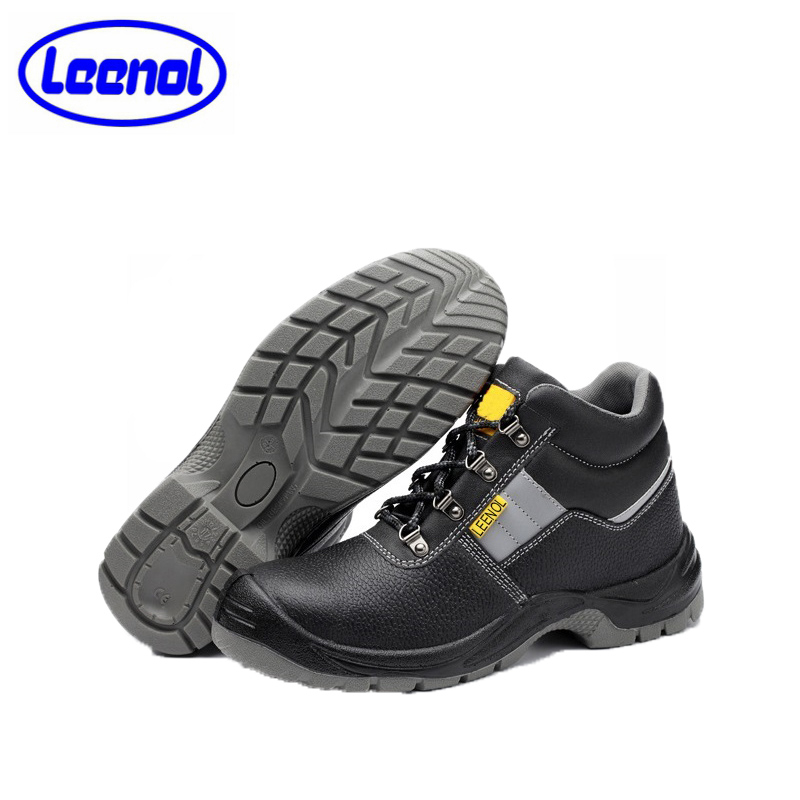
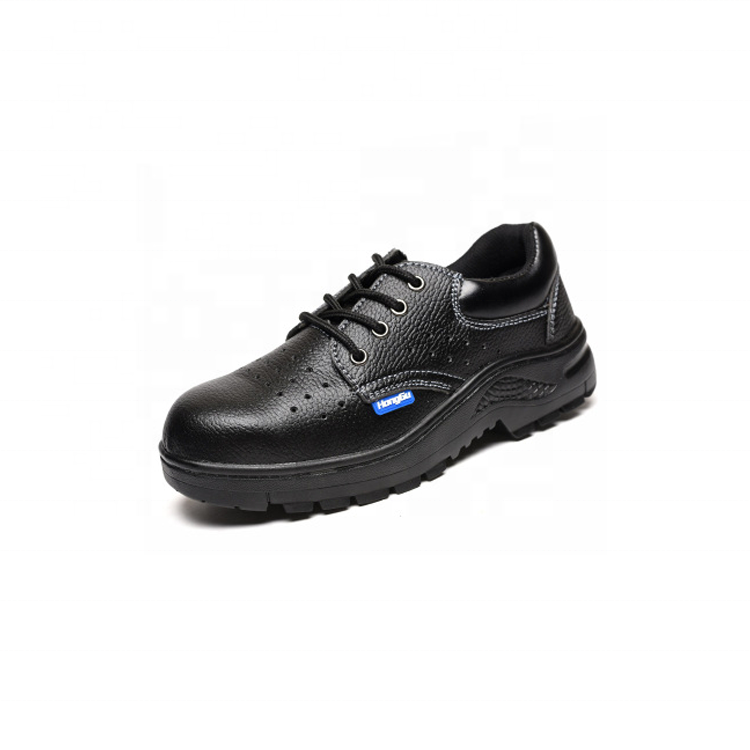
To do the job right, safety shoes usually come with:
Steel or composite toe caps – These protect your toes from impact.
Slip‑resistant soles – So you don’t fall on your butt.
Puncture‑resistant midsoles – Like a shield against nails or shards.
Oil‑ and chemical‑resistant materials – Useful if you’re around grease or spills.
These features make safety shoes strong and sturdy — sort of like wearing armor for your feet.
Now let’s talk about ESD shoes, which are a totally different beast.
ESD stands for Electrostatic Discharge. Sounds a bit technical, I know, but basically it’s all about static electricity — you know, that annoying shock you get when you touch a doorknob after walking on carpet.
In most everyday situations, static shocks are just a mild annoyance. But in places with sensitive electronics — like cleanrooms, labs, or manufacturing floors for circuit boards — static electricity can be catastrophic.
You might wonder, “Okay, static shocks are annoying, but why should I care at work?” Well, in environments with delicate electronic components, even a tiny static discharge can ruin a circuit board or a microchip. One tiny zap can make a $300 piece of equipment go poof.
This is where ESD shoes come in.
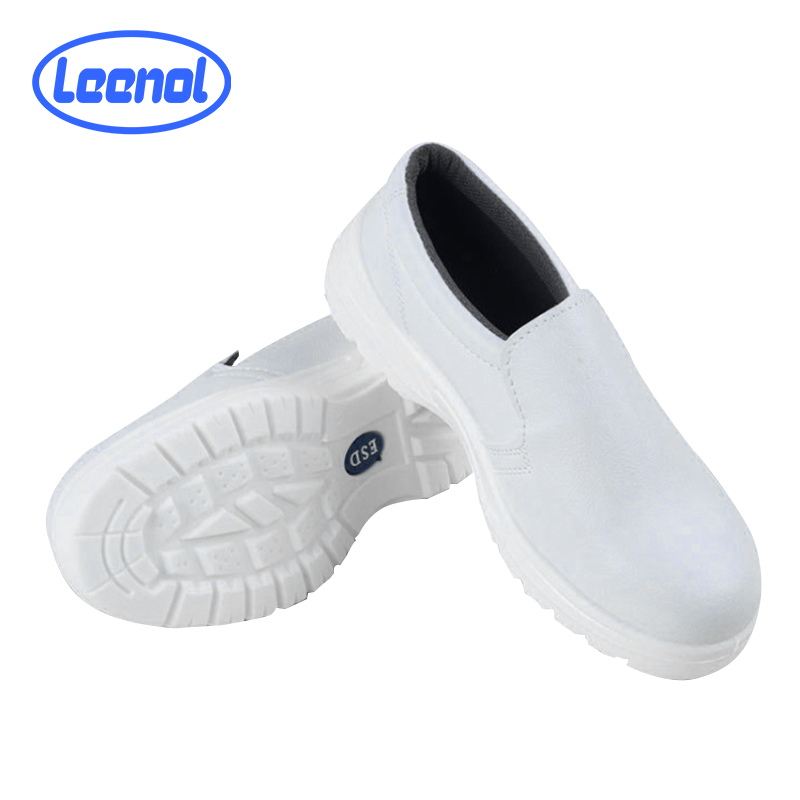
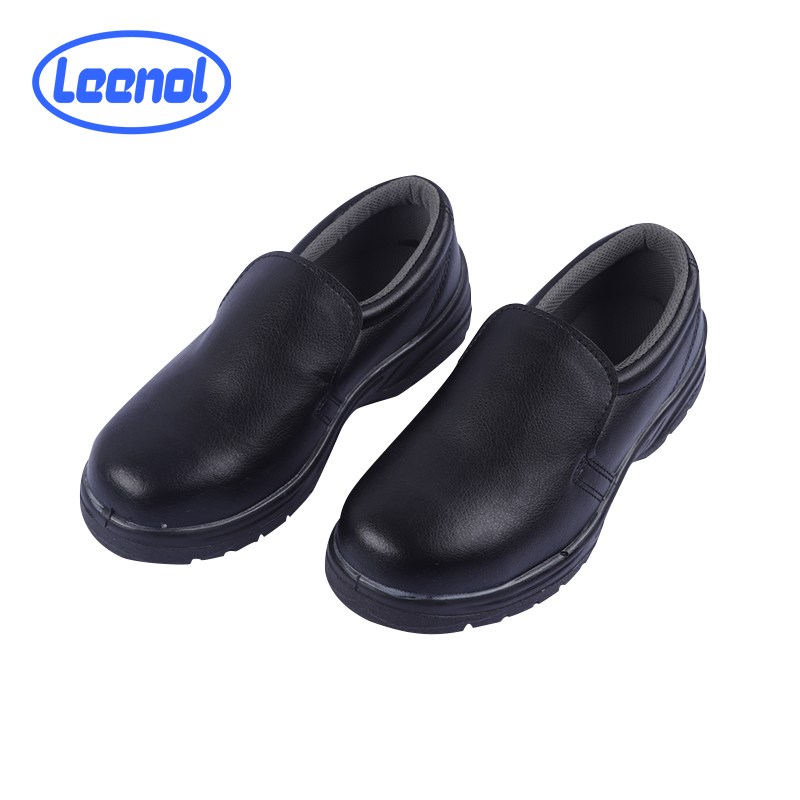
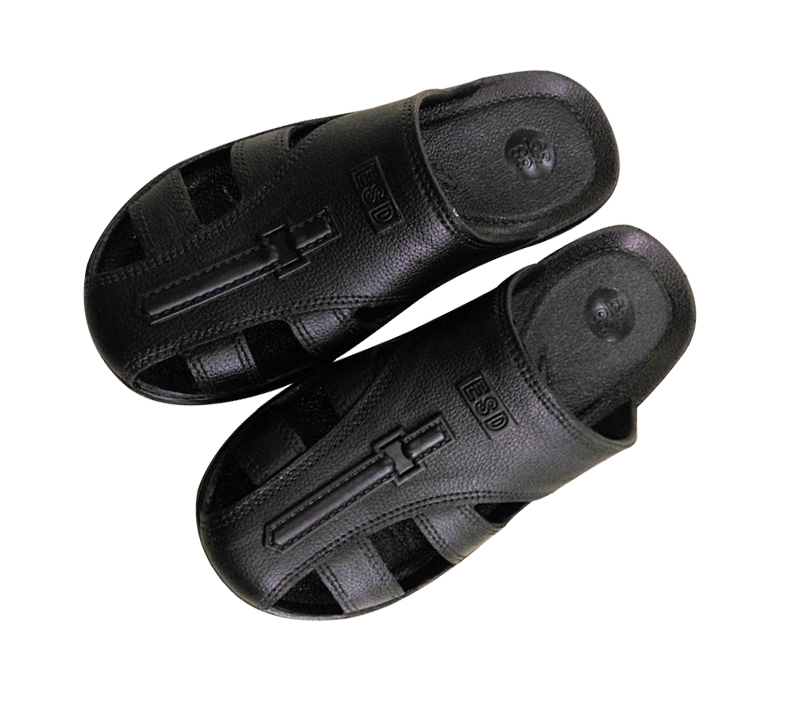
Unlike safety shoes, which are all about physical protection, ESD shoes are designed to control electrical charges. The idea is to give static electricity a safe path to ground instead of letting it build up and suddenly discharge.
So, ESD shoes are made with materials that are conductive or dissipative, meaning they let electric charge flow through them slowly and safely into the ground. That helps reduce the risk of a sudden static shock — especially around sensitive electronics.
If you’re working in electronics assembly, labs, or cleanrooms — ESD shoes help keep both you and the equipment safe.
ESD shoes are most commonly required in places where:
Static electricity could damage equipment or products
Small electronic components are being handled
Cleanrooms are used (like in semiconductor or aerospace industries)
ESD protection standards are enforced
So labs, tech factories, and research facilities are all places where ESD shoes are super important.
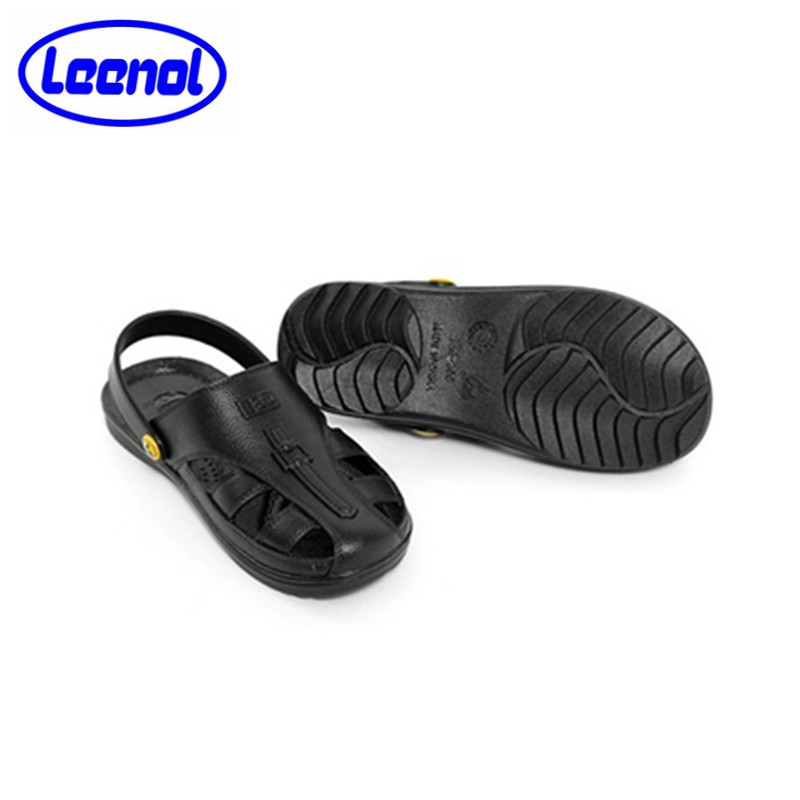
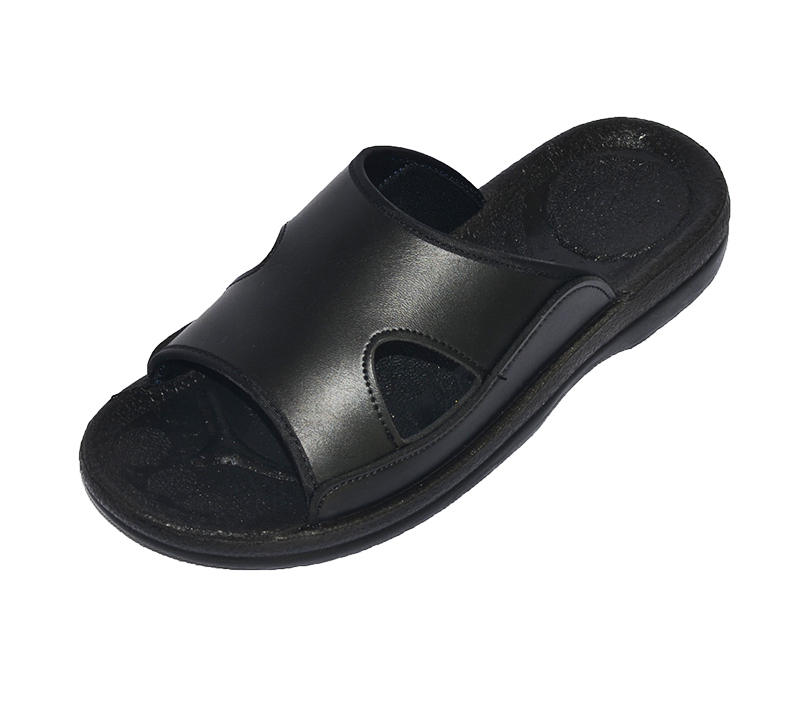
Alright, now that we know what each type of shoe is, let’s talk about how they differ — like, really differ.
This is the biggest difference:
Safety shoes are built to protect your body (especially your feet) from physical harm.
ESD shoes are built to protect equipment and sensitive electronics from static electricity.
It sounds simple, but it’s a huge distinction. Safety shoes think physical hazards first. ESD shoes think static control first.
Because their goals are different, their designs are different too.
Often have steel or composite toes
Have thick, rugged soles
Designed to handle impact, compression, puncture, and slipping
Made with conductive or dissipative materials
Designed to control electrical charge
May not have as strong physical protection features as safety shoes
So, if you drop a 20‑pound metal part on your foot, an ESD shoe might protect against static discharge, but it might not save you from a crushed toe. That’s where safety shoes shine.
In terms of where they’re worn:
Safety shoes: job sites with heavy machinery, construction, warehouses, manufacturing plants
ESD shoes: labs, electronics manufacturing, semiconductor cleanrooms, research facilities
In some workplaces you might need both types of protection — and that’s where combo shoes or specific standards come into play.
Safety shoes and ESD shoes are both governed by standards, but the focus is different.
For example:
Safety shoes might follow ASTM or ANSI safety standards focused on impact and compression resistance.
ESD shoes follow standards about electrical conductivity and static dissipation.
You don’t need to memorize these standards right now, but know that they exist and that workplaces often require compliance.
So here’s an interesting point: sometimes, the lines between safety shoes and ESD shoes do overlap.
There are shoes that are both ESD‑rated and safety‑rated. These combo shoes are actually pretty common in places where workers need both static control and physical protection.
For example:
A tech factory worker might need steel‑toe protection and static control.
Some industries require both OSHA (Occupational Safety and Health Administration) compliance and ESD protection.
These combo shoes are great because they let you have the best of both worlds. But — and this is important — they can also be more expensive and sometimes less comfortable if they try to do too many things at once.
So the key takeaway: yes — overlap exists, but always check what you really need for your environment.
Okay, so if I’ve convinced you that safety and ESD shoes are different, the next question is: how do you choose the right pair?
Here’s a simple checklist that helps me when I think about what I need:
What hazards am I protecting against?
Physical impact? Go safety shoes.
Static electricity? Go ESD shoes.
Both? See if combo shoes make sense.
What does your employer require?
Some workplaces must follow strict standards. Always check with your supervisor or safety officer.
What’s the environment like?
If you’re around electronics or sensitive equipment — ESD matters. If you’re around heavy objects — safety matters.
Comfort and fit
You’re gonna wear these all day. If they don’t fit well, you’ll end up miserable.
Check the labels — Most safety/ESD shoes come with clear markings for what they protect against.
Ask for training — If you’re new on the job, ask your safety team what’s required.
Don’t guess — If you’re unsure, always double‑check. It’s better than risking injury or equipment damage.
Alright, so let’s wrap this up.
If you walk away with one thing from this article, let it be this:
Safety shoes protect your feet from physical harm. ESD shoes protect sensitive electronics from static electricity. They may look similar, but they do very different jobs.
They both matter — a lot — but for different reasons. Wearing the wrong type of protective footwear might not just be uncomfortable — it could cost you an injury, or worse, ruin expensive equipment.
I can tell you this: take the time to understand what you actually need. Whether you’re heading into a construction zone, a cleanroom, or a tech lab, picking the correct footwear is a small decision that has big impacts.
So next time someone says “just wear safety shoes,” you’ll be like, “Sure — but do we mean safety or ESD? Let’s check.”
Stay safe, protect what matters — and keep learning.