English
Views: 268 Author: Site Editor Publish Time: 2026-04-17 Origin: Site


In electronics manufacturing, product quality depends on far more than machinery, materials, and assembly skills. One of the most overlooked risks on a production line is static electricity. A small electrostatic discharge that is invisible to the human eye and barely noticeable to the operator can still damage sensitive components, reduce product reliability, and create hidden defects that only appear later. That is exactly why ESD Gloves have become an important part of modern electronics production.
From semiconductor fabrication to PCB assembly, mobile phone manufacturing, computer motherboard production, and optoelectronic processing, workers handle components that are highly sensitive to electrostatic discharge. The product information you provided states that ESD gloves are used in anti-static and cleanroom or workshop environments, and that they help prevent operators’ fingers from directly touching static-sensitive components while safely discharging electrostatic charge carried by the body. It also notes that they are widely used in the semiconductor industry, optoelectronic industry, computer motherboard manufacturing, and mobile phone production.
In many electronics facilities, ESD control is not a single product solution. It is a complete protection system that includes flooring, garments, packaging, wrist straps, grounded workstations, and hand protection. Within this system, ESD Gloves play a direct and practical role because they are used at the exact point where the operator interacts with the product. The same source also points out that ESD gloves should be considered mandatory safety equipment in many laboratory, cleanroom, biotech, and electronics environments, and that they are best used together with a grounding wrist strap to ensure the lowest possible risk of electrostatic discharge.
This article explains why ESD gloves matter so much in electronics manufacturing, how they protect sensitive products, what benefits they offer on the production floor, and what manufacturers should look for when choosing the right gloves.

Static electricity may seem harmless in daily life, but in electronics manufacturing it can become a serious production risk. An operator can generate static simply by walking, moving materials, handling packaging, or working in a dry environment. If that static charge is not properly controlled, it may discharge when the worker touches a sensitive component.
For electronics manufacturers, this matters because many parts used in production are extremely delicate. Chips, circuit boards, semiconductors, connectors, display modules, and precision electronic assemblies may all be affected by electrostatic discharge. In some cases, the damage is immediate and obvious. In other cases, the component still appears to function normally, but its performance and lifespan are weakened.
Electrostatic discharge can create more than a simple defective part. It can lead to wider production and commercial consequences.
damaged sensitive components
hidden quality defects
higher rework rates
increased scrap costs
reduced product reliability
customer complaints after delivery
That is why manufacturers invest so much in anti-static control systems. In a high-precision production environment, even a small preventable discharge can become an expensive mistake.
ESD Gloves are special anti-static gloves designed to reduce electrostatic discharge from the human body during manufacturing processes. According to your product information, these gloves help protect products from damage caused by static electricity, while also helping prevent contamination. The same source emphasizes that they provide effective product protection and support the reliability and longevity of sensitive electronic components across multiple industries.
In practical terms, ESD gloves serve two key purposes in electronics manufacturing. First, they help control static electricity carried by the operator. Second, they reduce direct hand contact with static-sensitive parts, which also helps prevent contamination from sweat, fingerprints, and particles.
Workers on electronics lines often handle products directly during assembly, inspection, testing, and packaging. Bare hands may introduce more than physical touch.
electrostatic discharge
fingerprint marks
sweat contamination
dust transfer
reduced cleanliness in controlled areas
This is why ESD gloves are not merely optional accessories. In many production environments, they are part of basic handling discipline.
Electronics manufacturing depends heavily on human interaction. Even in automated lines, workers still perform loading, unloading, adjustment, maintenance, inspection, rework, and packaging tasks. Because of this, the operator is one of the most common sources of electrostatic risk.
The product information you supplied explains that ESD gloves can safely discharge electrostatic charge carried by the operator and prevent direct contact between fingers and static-sensitive components. This is exactly why they are so important at the operator level.
When workers touch electronic components, the risk is not only mechanical damage. Static carried by the body may discharge into the product. ESD gloves help reduce that risk during:
component placement
board handling
visual inspection
device assembly
connector installation
final packing and transfer
A glove policy creates a more controlled production routine. When every worker uses proper ESD hand protection, the manufacturing environment becomes more consistent and predictable. This helps companies reduce avoidable variation in product handling.
In electronics manufacturing, contamination can be nearly as harmful as static. Dust, skin oils, fingerprints, and small particles may affect assembly quality, interfere with coatings, or create cosmetic defects. Clean handling is especially important in precision manufacturing and cleanroom environments.
Your provided materials state that ESD gloves effectively prevent contamination and damage caused by static electricity, and that they are suitable for cleanrooms and electronics environments. The nylon glove description also notes their use in electronic workshops, semiconductor manufacturing, cleanrooms, and laboratories to prevent fingerprint residue and dust contamination.
Not every manufacturing defect comes from poor design or poor assembly. Some problems start with very small handling issues.
poor surface cleanliness
cosmetic rejection
assembly inconsistency
reduced precision in sensitive processes
problems in cleanroom-controlled environments
This is one reason ESD gloves are valuable beyond anti-static control alone. They support both product protection and cleaner handling standards.

Electronics products are expected to perform reliably for long periods, often under demanding use conditions. If a static event weakens a component during production, the failure may not happen immediately. Instead, the issue may appear later in field use, causing warranty claims, repairs, or damage to the manufacturer’s reputation.
The source material explains that ESD gloves help ensure the reliability and longevity of sensitive electronic components. This is an important point because the real value of ESD protection is often seen in what it prevents.
A reliable product is not created only by good design. It also depends on how carefully the product is handled during production.
invisible static events
hidden component stress
inconsistent handling quality
accidental contamination during assembly
For this reason, many manufacturers treat anti-static gloves as an investment in product quality rather than just as consumable protection items.
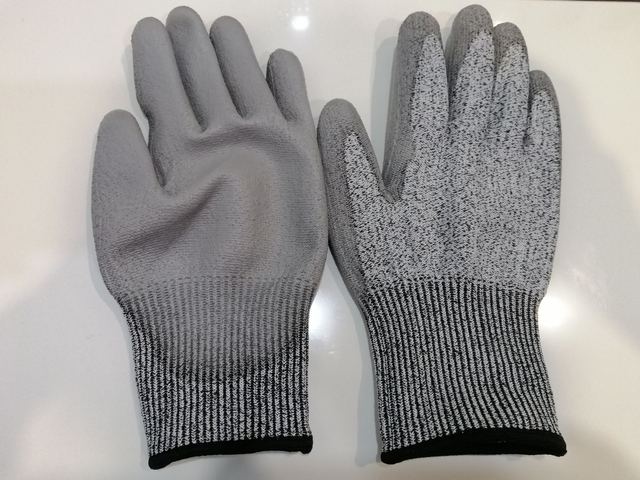
Not every production line needs the same glove. Different electronics manufacturing tasks may require different materials, grip levels, coating options, and comfort features. The material you shared shows that LEENOL offers several glove categories, including carbon gloves, nylon gloves, copper fiber gloves, PU-coated gloves, fingertip protection gloves, disposable nitrile gloves, and cut-resistant ESD gloves.
This variety matters because electronics factories often have multiple processes with different needs.
The supplied technical information states that ESD carbon fiber gloves are designed to dissipate static electricity from the human body to the ground through conductive fibers, helping prevent damage to sensitive electronic components and precision instruments. It also notes a surface resistance of 10⁶–10⁹ ohms, fingertip PU coating for anti-slip precision handling, cleanroom compatibility through low particle shedding, and stable performance after multiple washes.
electronics assembly
optical equipment repair
cleanroom handling
precision production tasks
Your source says copper fiber gloves are made from conductive materials like copper fiber to quickly dissipate static charges, preventing damage to chips and circuit boards. It also highlights their adaptability to electronics, aerospace, and biopharmaceutical applications, along with durability and stable surface resistivity between 10⁶ and 10⁹ Ω.
fast static dissipation
good durability
flexibility across different industries
reliable handling of sensitive components
The material explains that ESD nylon gloves are made with a seamless knitting process, giving them better wear resistance and reducing unraveling. It also says they offer breathability, sweat absorption, PU coating options, and are commonly used in electronic workshops, semiconductor manufacturing, cleanrooms, and laboratories.
long-hour production lines
routine electronics handling
cleanroom work
assembly tasks requiring comfort and dexterity
It is easy to focus only on technical performance, but in real factory conditions comfort matters a great deal. Workers may wear gloves for long shifts, repeating detailed operations hour after hour. If the glove is uncomfortable, too thick, too loose, or not breathable enough, it can reduce efficiency and lower compliance.
The product descriptions you shared emphasize that LEENOL gloves are lightweight, fit the hands well, and are comfortable to wear, helping ensure flexible operation and prevent excessive hand fatigue. They also mention good breathability in nylon gloves, which helps keep hands dry during prolonged use.
In electronics manufacturing, uncomfortable gloves can influence real production outcomes.
reduced manual precision
slower work pace
more hand fatigue
lower willingness to wear PPE correctly
inconsistent glove use across the line
A well-designed ESD glove supports both protection and productivity.
Many electronics manufacturing processes require accurate fingertip control. Operators often place small parts, hold delicate boards, or perform fine manual adjustments. Gloves that are too slippery or too bulky may make these tasks harder.
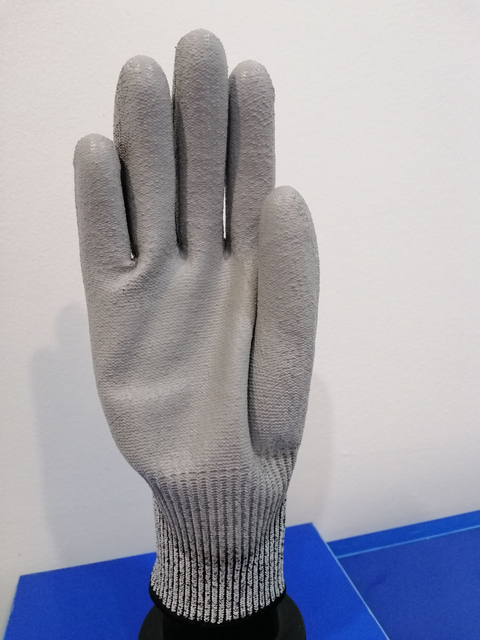
Your source notes that PU coating on fingertips or palms can improve anti-slip performance and tactile sensitivity, making gloves suitable for electronic assembly and precision operations.
In electronics production, grip is not just about comfort. It directly affects handling control.
hold small components more securely
reduce accidental drops
improve confidence during assembly
maintain better accuracy in repetitive tasks
This is why coated ESD gloves are often preferred in assembly lines where detailed manual work is common.
Some electronics environments are more demanding than others. Semiconductor manufacturing, optoelectronic production, and cleanroom-based electronics assembly require higher standards for both static control and contamination control.
The materials you provided explicitly mention that ESD gloves are a must-wear for workers in the semiconductor industry, optoelectronic industry, semiconductor manufacturing, and related electronics enterprises. They also state that certain glove designs are suitable for cleanroom compatibility with low particle shedding and cleanroom standards such as Class 1000–10000.
In high-precision manufacturing, tolerance for contamination or uncontrolled static is extremely low.
control electrostatic discharge
limit direct skin contact
reduce particle and fingerprint contamination
maintain stable handling conditions
For many manufacturers in these sectors, glove choice is a critical process decision rather than a basic purchasing decision.

One important detail in your source material is that ESD gloves should be used together with a grounding wrist strap to ensure the absolute lowest possibility of electrostatic discharge. This is an important reminder that even excellent gloves work best as part of a complete ESD control program.
These help maintain controlled discharge from the operator.
These reduce static buildup from clothing.
These support safe static dissipation through the work area.
These help protect products after assembly and during transfer.
ESD gloves are essential, but their full value appears when they are integrated into a broader protection strategy.
Not all ESD gloves are suitable for every electronics process. Manufacturers should choose based on their actual production environment, product sensitivity, and operator needs.
Look for gloves with stable anti-static properties and suitable resistance levels.
Important for long-hour use and operator acceptance.
Necessary for precision assembly and handling.
A stronger glove provides better long-term value in repetitive work.
Essential where low particle shedding is required.
Different gloves serve different applications, including nylon, carbon fiber, copper fiber, PU-coated, and cut-resistant styles.
The right choice should balance protection, comfort, and task performance.
Electronics manufacturers often have different process requirements, hand protection standards, and product handling needs. That is why customization can be a real advantage. Your material states that LEENOL offers a customization service that includes understanding requirements, developing tailored solutions, confirming samples, and ensuring efficient production with timely delivery and ongoing support.
Different departments may need different glove structures.
Some tasks need stronger grip, others need lighter handling.
Customized programs help standardize glove use across operations.
For many factories, a more tailored glove solution can improve both handling efficiency and protection reliability.
When manufacturers think about quality control, they often focus on machines, inspections, and testing equipment. But many defects begin earlier, during direct human handling. ESD Gloves remain essential because they protect the product at that exact point of contact.
They help control static, reduce contamination, improve handling consistency, and support cleaner, more reliable production processes. In electronics manufacturing, these benefits are not minor. They are directly connected to product performance, cost control, and customer satisfaction.
For electronics manufacturers looking for dependable hand protection, working with an experienced supplier is especially important. Based on the product information you provided, LEENOL offers a one-stop procurement service for cleanroom and anti-static consumables, with a range of ESD gloves designed for superior protection, comfort, and durability. Its product line includes carbon gloves, copper fiber gloves, nylon gloves, PU-coated gloves, disposable nitrile gloves, fingertip protection gloves, and cut-resistant ESD gloves, supporting applications in electronics manufacturing, semiconductor production, cleanrooms, and laboratories. Combined with customization service, technical product specifications, and structured production support, LEENOL provides practical glove solutions for businesses that need better static control and cleaner product handling.
They help prevent electrostatic discharge from the human body, reduce contamination, and protect sensitive electronic components during handling and assembly.
Yes. They help reduce static-related damage, fingerprint contamination, and inconsistent manual handling, which supports better quality and reliability.
Yes. Many ESD gloves are suitable for cleanroom use because they help control both static and contamination, and some designs offer low particle shedding.
Yes. Your source specifically notes that ESD gloves should be used together with a grounding wrist strap to ensure the lowest possible chance of electrostatic discharge.
Common options include carbon gloves, nylon gloves, copper fiber gloves, PU-coated gloves, disposable nitrile gloves, and cut-resistant ESD gloves, depending on the application.