English
Views: 0 Author: Site Editor Publish Time: 2026-03-16 Origin: Site


ESD gloves, or electrostatic discharge gloves, are specialized gloves designed to protect sensitive electronic components from static electricity generated by the human body. Static charges, even at low levels, can damage microchips, circuit boards, and other precision electronic devices. ESD gloves provide a controlled path for these charges to dissipate safely, preventing costly failures and ensuring product reliability.
In high-precision environments such as electronics manufacturing, semiconductor production, cleanrooms, and laboratories, even minor electrostatic discharges can result in irreparable damage. ESD gloves act as a first line of defense, enabling technicians and engineers to handle sensitive components safely while maintaining operational precision.
Electrostatic discharge (ESD) is a common phenomenon caused by friction, contact, or separation of materials, including human skin and clothing. While often imperceptible, these discharges can have significant consequences for electronic components:
Instant component failure: Static discharge can destroy or degrade semiconductors and integrated circuits.
Latent defects: Even if components initially function, ESD exposure can reduce lifespan or cause intermittent failures.
Production downtime: Damaged components increase waste, inspection time, and repair costs.
ESD gloves are essential for preventing these outcomes, particularly in environments where high-value components are being assembled, tested, or repaired.

ESD gloves are typically made from materials designed to dissipate static electricity safely:
Carbon fiber gloves: Conductive fibers embedded in the fabric allow static charges to pass from the hand to the ground.
Copper fiber gloves: Copper fibers provide rapid discharge, preventing static accumulation during precision tasks.
Nylon gloves with conductive yarn: The spacing and arrangement of conductive fibers control the rate of static dissipation, ensuring safety without impeding dexterity.
These materials are carefully engineered to balance anti-static performance, durability, and flexibility.
Many ESD gloves incorporate additional coatings to improve performance:
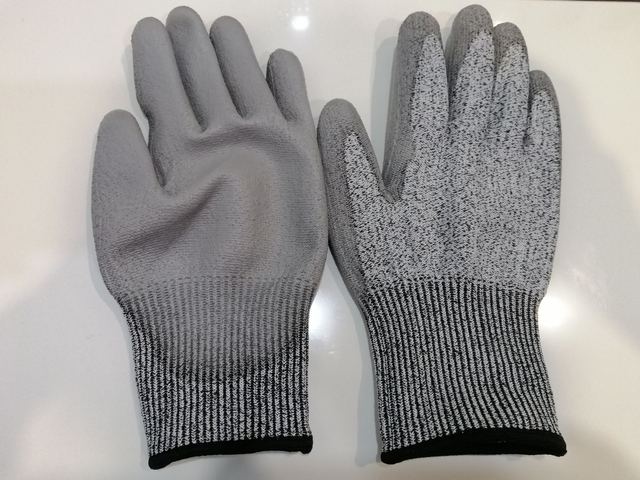
PU (polyurethane) coating on fingertips and palms: Enhances grip, wear resistance, and tactile sensitivity, allowing precise handling of delicate components.
Anti-slip properties: Reduce the risk of dropping sensitive items, which could lead to mechanical damage.
Chemical and moisture resistance: Certain coatings protect gloves against oils, solvents, and humidity, maintaining consistent anti-static performance.
By combining conductive fibers and coatings, ESD gloves provide a reliable pathway for static electricity, keeping electronic components safe.
One of the most important parameters is surface resistance, which measures how easily static charges can flow through the glove. Most ESD gloves used in electronics assembly maintain surface resistance within 10⁶ to 10⁹ ohms, effectively dissipating charges without causing a shock to the wearer.
In cleanroom and semiconductor environments, contamination is not limited to static discharge. Particles from fibers, dust, or skin oils can compromise component integrity. High-quality ESD gloves are designed with low particle shedding, often under 0.1 μg/cm², ensuring that handling does not introduce additional contaminants.
Sensitive electronic assembly often involves repetitive motion, fine manipulation, and exposure to chemicals. Durable ESD gloves:
Resist wear and tear from repeated use
Maintain consistent anti-static performance after multiple washes or cleaning cycles
Provide long-term protection without frequent replacement
Semiconductor wafers, photolithography equipment, and integrated circuits are extremely sensitive to static charges. ESD gloves prevent:
Short circuits caused by static discharge
Surface degradation on semiconductor wafers
Latent defects that reduce yield
In these high-precision environments, even a small ESD event can cause significant financial loss.
During assembly of circuit boards, microchips, and electronic devices, ESD gloves:
Enable safe handling of delicate components
Reduce the risk of contamination from fingerprints or oils
Improve grip and precision for small parts, preventing mechanical damage
In cleanrooms with strict particulate control, ESD gloves prevent both static discharge and particle contamination, ensuring compliance with cleanliness standards while protecting critical equipment.
Devices in medical or aerospace industries often combine precision with safety-critical requirements. ESD gloves:
Ensure stable static discharge during assembly or maintenance
Protect high-value components from contamination and damage
Enable technicians to perform precise work in controlled environments
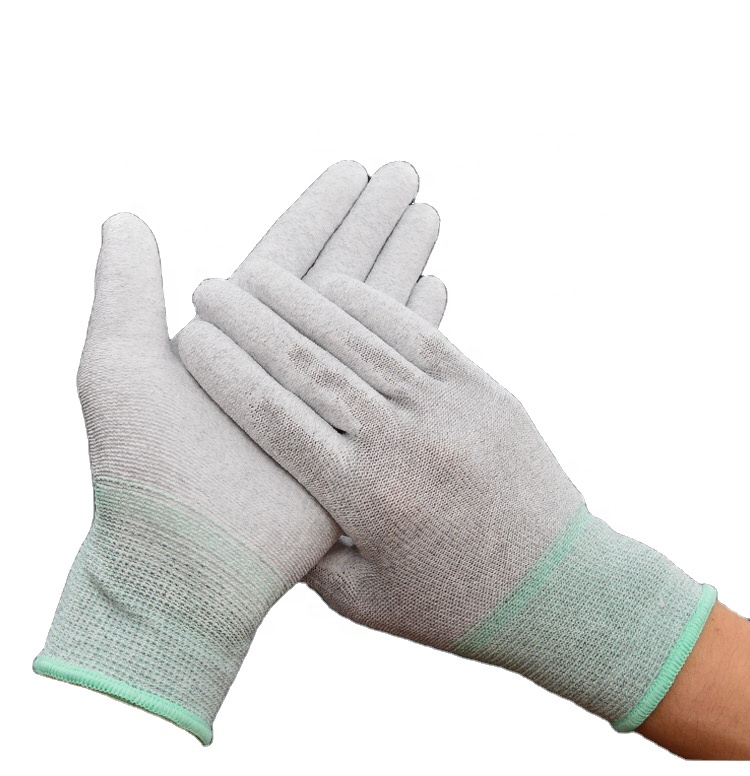
The primary advantage of ESD gloves is protection from static electricity. This prevents immediate damage to sensitive components and minimizes the risk of latent failures.
With PU-coated fingertips and anti-slip properties, ESD gloves allow workers to handle small or delicate parts safely, reducing errors and enhancing assembly efficiency.
Low particle shedding and proper fit reduce the risk of transferring dust, oils, or other contaminants to critical components, maintaining high cleanliness standards in electronics and semiconductor environments.
High-quality ESD gloves are lightweight, breathable, and flexible, minimizing hand fatigue during extended periods of use. Comfortable gloves enable workers to maintain precision without strain.
ESD gloves are not limited to electronics. They are used in:
Semiconductor fabrication
Medical device assembly
Aerospace electronics
Cleanroom laboratories
Chemical and pharmaceutical manufacturing
This versatility makes them a fundamental tool wherever static-sensitive products are handled.
Select gloves with appropriate conductive fibers (carbon, copper, or nylon) to meet the anti-static requirements of your environment. Ensure that surface resistance aligns with industry standards for electronics assembly.
PU or other specialized coatings improve grip and durability. Consider the tasks performed—fine assembly may require high tactile sensitivity, while heavy-duty handling may prioritize wear resistance.
Proper fit is essential for both safety and precision. Gloves that are too tight may tear easily, while loose gloves can reduce dexterity and increase contamination risk.
Consider gloves that maintain performance after repeated use or washing. High-durability gloves reduce replacement costs and ensure consistent protection.
Inspect gloves regularly for tears, holes, or worn areas.
Clean reusable gloves according to manufacturer instructions.
Combine gloves with other ESD controls, such as wrist straps, grounded workstations, and anti-static mats.
Train personnel on proper glove usage to ensure both safety and product protection.
Store gloves in clean, dry conditions to maintain effectiveness.
ESD gloves are essential for handling sensitive electronic components. They provide multiple layers of protection, including:
Safe dissipation of static electricity
Prevention of contamination from particles, oils, and moisture
Enhanced precision and grip for delicate operations
Comfort and durability for long-term use
By integrating ESD gloves into electronics assembly, semiconductor manufacturing, and cleanroom operations, companies ensure reliable performance and longevity of high-value components, minimize production defects, and maintain compliance with industry standards.
In summary, ESD gloves are not just a protective accessory—they are a critical element of quality control and operational safety in modern electronics and high-precision industries.