English
Views: 286 Author: Site Editor Publish Time: 2026-04-23 Origin: Site


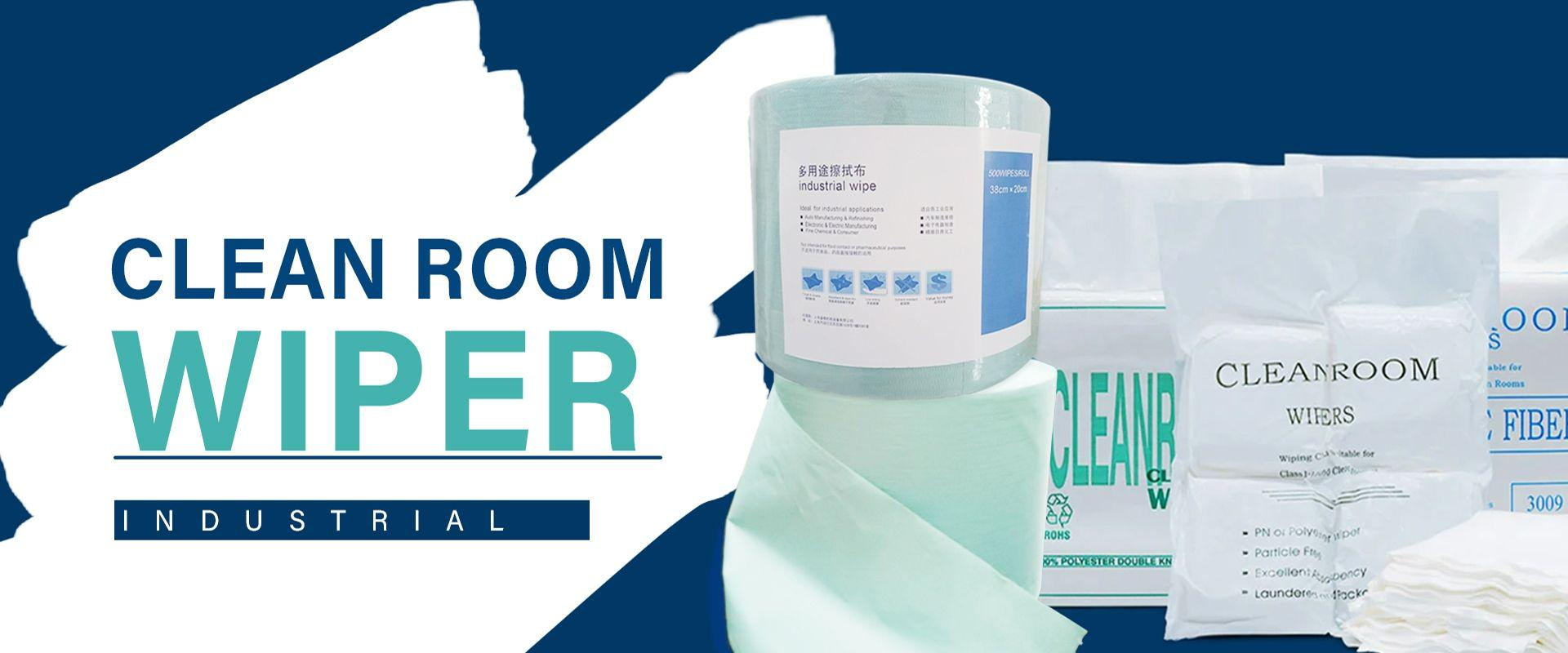
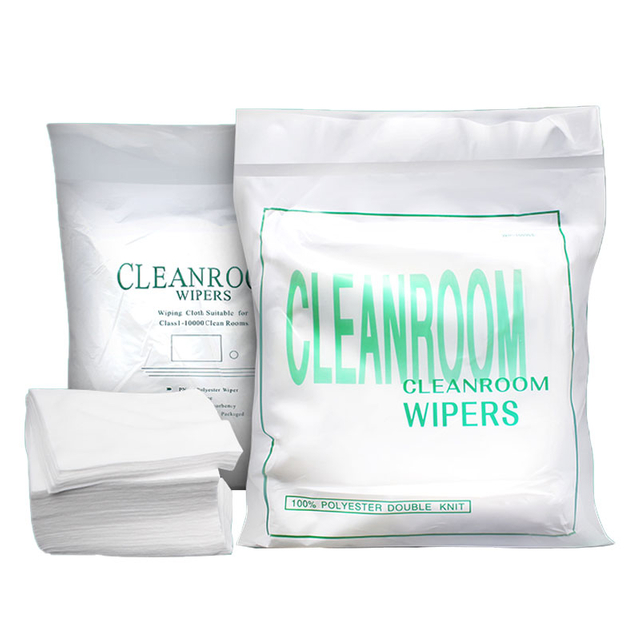
People usually spend a lot of time choosing the right cleanroom wipes, comparing material, absorbency, lint level, texture, and cleanroom compatibility. That makes sense, because in controlled environments, the wiping material itself can directly affect product quality, cleaning results, and contamination control. But there is one point many buyers and operators do not think enough about until a problem shows up: storage.
To put it simply, even good wipes can become a bad choice if they are stored the wrong way. A high-quality Cleanroom wiper is designed to deliver low particle shedding, strong liquid absorption, and reliable cleaning performance. But if the packaging is damaged, if the wipes are exposed to dust, moisture, chemicals, or rough handling, that performance can be compromised before the wipe is even used. And once that happens, the whole purpose of using controlled-environment wipes starts to fall apart.
This is especially important in industries where contamination is not just a housekeeping issue. In cleanrooms, laboratories, electronics manufacturing, precision instrument production, food-related environments, and similar controlled areas, cleanliness is tied to process stability and product consistency. A wipe is not just a consumable. It is part of the workflow. That means storage conditions matter more than people sometimes assume.
So, how should cleanroom wipes be stored? The short answer is: in a clean, dry, protected, and controlled area, with unopened packaging kept intact until use, opened packs handled carefully, and stock rotated properly. But that short answer only covers the basics. In practice, proper storage includes more than just finding an empty shelf in the warehouse.
Good storage is really about protecting the wipe from contamination, deformation, moisture, chemical exposure, and unnecessary handling. It is also about making sure the right wipes are available in the right place, in the right condition, when operators need them. That sounds simple, but as with many things in controlled production, the details are where the real difference shows up.
In this article, we will take a closer look at how to store cleanroom wipes properly, why storage matters, what mistakes to avoid, and how correct storage helps protect both wipe performance and the environment where the wipes are used.

It is easy to think of wipes as low-risk supplies. They come in packaging, they sit on a shelf, and eventually somebody opens them and uses them. But for Class 100 Wipes or other controlled-environment wiping materials, storage is not just about convenience. It is part of contamination control.
A cleanroom wipe is designed to meet a certain standard of cleanliness and performance when it reaches the point of use. That includes low lint, low particle release, strong absorbency, surface compatibility, and physical integrity. If storage conditions work against any of those properties, the wipe may no longer perform the way it was intended to.
For example, if wipes are stored in a dusty area, the packaging surface itself may become a contamination source. If packaging is opened too early or handled carelessly, the wipes inside may pick up airborne particles or moisture. If products are crushed under heavy materials, the wipe structure may be distorted. These things may seem small on paper, but in a real cleanroom or precision environment, small things tend to become big things sooner or later.
A properly stored Clean room Wiper remains closer to its original condition. That means the wipe will be cleaner, more reliable, and more suitable for sensitive tasks when it is finally used. Storage helps preserve absorbency, texture, and cleanliness, which are exactly the qualities buyers paid for in the first place.
The whole reason people use Clean room Wipes lint free products is to avoid introducing particles during cleaning. Poor storage works against that goal. You could be using the right wipe on paper while still bringing unnecessary contamination into the process because of how the wipes were handled before use.
That is why storage should be seen as part of the cleaning system, not just a warehouse task.
Before getting into specific recommendations, it helps to start with the basic principles. In most cases, cleanroom wipes should be stored in a way that keeps them clean, dry, protected, and organized. Those four ideas sound simple, but they cover most of what matters.
This one is obvious, but it is worth stating clearly. Wipes intended for controlled environments should never be stored in a dirty area, near open dust sources, or in places where packaging can collect heavy grime. Even if the pack itself is sealed, the outside matters because operators still have to handle it before bringing it into use.
In other words, you do not want to take a contamination-sensitive product and store it in a contamination-friendly corner of the warehouse.
Moisture is another issue. Unless the product is specifically designed and packaged as a pre-saturated wipe, standard cleanroom wipes should be stored in a dry environment. Excess humidity can affect packaging, compromise storage conditions, and increase the risk of product degradation or contamination over time.
Dry storage also helps prevent secondary problems such as packaging softening, carton damage, or moisture-related environmental contamination.
Cleanroom wipes should be protected from physical damage, careless stacking, and unnecessary exposure. This means not placing them under heavy loads, not crushing them into crowded shelves, and not leaving them where packaging can be punctured or torn. A damaged pack may still “look usable,” but in controlled applications, that is not a good standard to rely on.
Proper organization reduces handling errors and helps maintain stock quality. If workers constantly move cartons around to find the right product, the wipes are more likely to be damaged or exposed. Clear labeling, sensible shelf placement, and stock rotation all help prevent that.
The best storage location depends on the operation, but in general, cleanroom wipes should be stored in a designated area that is clean, dry, temperature-stable, and protected from unnecessary traffic and contamination sources.
This does not always mean the wipes have to be stored inside the cleanroom itself. In many cases, they are stored in support areas, stockrooms, or controlled staging zones and then moved into the clean environment as needed. What matters is that the storage location supports the intended cleanliness level of the product.
For unopened cartons, a clean indoor stockroom is usually the most practical choice. The area should be away from direct sunlight, open doors, high-dust traffic, leaking ceilings, chemicals, and wet floors. Shelves should be clean, stable, and suitable for storing packaged wiping materials without crushing them.
It is also a good idea to keep cleanroom wipes separated from dirty consumables, oily maintenance items, or general janitorial supplies. Mixing those categories too closely can create obvious handling risks.
For day-to-day operations, some wipes may need to be stored closer to the actual work area. In those cases, a designated cabinet, enclosed bin, or clean storage station is usually better than an open shelf. This helps reduce dust exposure and keeps the product in better condition until use.
If the environment is highly controlled, the storage container itself should also be kept clean and handled in line with site cleanliness practices.

Unopened packaging offers the best protection the product has, so the first rule is simple: keep it sealed until it is actually needed. It sounds almost too basic to mention, but premature opening is a common mistake in busy operations. Someone opens a pack “to make things easier later,” and from that moment on, the wipes are no longer protected the same way they were before.
The original package is there for a reason. It helps shield the wipes from dust, moisture, and unnecessary handling. Unless the wipes are being transferred into an approved point-of-use system, they should stay in their original packaging until they are ready to be used.
This is especially important for Cloth Cleanroom Wipes and other low-lint technical wipes intended for sensitive cleaning. The cleaner the product needs to remain, the less casual the storage approach should be.
Even sealed cartons should not be stored directly on the floor. Shelving or pallets help reduce risk from moisture, dirt, floor cleaning chemicals, and accidental contact. A clean shelf is usually better than stacking cartons where they can pick up damage from traffic or cleaning activity.
It is tempting to stack cartons high to save space, but overstacking can deform packaging and compress the wipes inside. That may not always ruin the product, but it increases risk and makes handling less controlled. It is better to store them in a stable, sensible arrangement that protects the package shape.
Once a package has been opened, the storage standard needs to become more careful, not less. The wipes are now more exposed to the environment, which means they can pick up particles, moisture, or accidental contamination more easily.
If the original package includes a resealable opening, use it properly every time. Do not leave the pack partially open between uses. Even a short period of exposure can allow dust or airborne particles to enter, especially in busy production areas.
If the original packaging is not resealable, then the remaining wipes should be moved into an approved, clean storage container suited to the operation.
For opened wipes kept near the point of use, a clean enclosed container can help protect them between uses. The key word here is clean. There is no value in moving precision wipes into a box that has not itself been maintained properly.
A dedicated container is often a better choice than leaving an opened pack exposed on a workstation.
One practical mistake to avoid is mixing wipes from different opened packs together. This makes stock tracking harder and can create confusion about how long the product has been exposed. It is cleaner and more manageable to keep packs separate and use one up before opening another where possible.
Knowing where to store cleanroom wipes is helpful, but knowing what to avoid is just as important. In many cases, wipes are damaged less by dramatic failures and more by ordinary bad habits.
Moist environments can affect packaging, increase contamination risk, and create poor storage conditions overall. Even if the wipes do not visibly appear damaged, high humidity is not an ideal long-term condition for storing clean wiping materials.
Long exposure to direct sunlight or excessive heat is not a good idea for most packaged industrial consumables, including wipes. Heat can affect packaging condition and general product stability over time. A shaded indoor storage area is the safer choice.
Storing wipe packs near open doors, machining areas, dirty staging zones, or general traffic paths increases the risk of contamination on the packaging surface and during handling. The storage area should be controlled enough that the product is not constantly exposed to avoidable dirt.
Wipes should not be stored right next to chemicals, solvents, oils, or materials that may leak, off-gas, or contaminate nearby packaging. Even when direct contact does not occur, poor separation creates unnecessary risk.
Storage is not only about the room or shelf. It is also about what people do. A good storage area can still lead to poor results if workers handle the product carelessly.
The more often cartons and packs are moved, the greater the chance of damage or contamination. Try to organize stock in a way that reduces repeated handling. This is one of those small operational improvements that makes more difference than people expect.
If operators are opening wipe packs for controlled-environment use, handling practices should match the cleanliness expectations of the site. There is little point in carefully stored wipes if the first thing that happens after opening is contaminated handling.
This is simple but important. Do not open multiple packs “just in case.” Open what is needed, use it properly, and keep the rest protected. Overopening stock increases exposure without adding value.
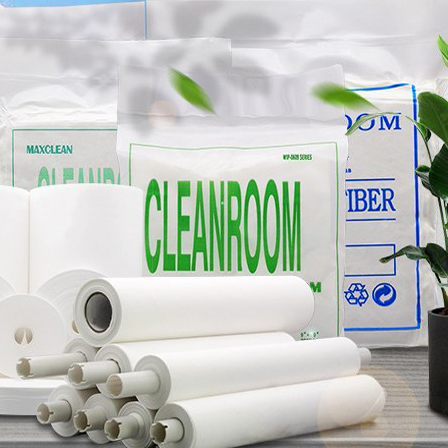
Even when stored well, cleanroom wipes should still be managed with proper stock rotation. Good storage and good inventory discipline usually go together.
The easiest approach is first-in, first-out. Older stock should generally be used before newer stock, assuming packaging is intact and storage conditions have been correct. This helps reduce the chance of products sitting too long and makes inventory easier to manage.
Before wipes are issued to production or brought into a controlled area, the packaging should be checked. Torn wrap, crushed edges, moisture marks, or obvious contamination on the outer surface are all signs that the pack deserves closer inspection or replacement.
Different wipes may have slightly different recommendations depending on material and packaging type. It is always sensible to follow the supplier’s storage guidance when available, especially for controlled-environment consumables.
Sometimes the best way to understand good storage is to look at bad storage. The same mistakes show up again and again in factories and stockrooms.
This is probably one of the most common mistakes. The wipes may still look fine, but open exposure on a bench leaves them vulnerable to dust, handling, and accidental contamination.
Cleanroom wipes are not the same as ordinary janitorial wipes. When they are stored together with low-grade cloths, dirty consumables, or heavily used maintenance materials, handling discipline tends to drop.
A small tear or dent is easy to overlook, but in sensitive applications, packaging condition matters. Damaged packaging should never be brushed off casually.
If nobody knows which carton came first, stock tends to get used randomly. That leads to older cartons sitting too long and more unnecessary movement of product.
If you want a practical summary of good storage habits, it comes down to a few consistent routines.
Do not let cleanroom wipes float around the facility wherever there happens to be space. Give them a defined storage location that matches their importance and intended use.
Once opened, wipes should be resealed or stored in a clean enclosed container. That one habit alone can prevent a lot of avoidable contamination risk.
Good storage is easier to maintain when everyone understands why it matters. If workers see wipes as just another general supply item, storage discipline usually drops. A little training goes a long way here.
Even a good system can drift over time. Shelves get crowded, cartons move, new products arrive, and people improvise. Periodic review helps keep the storage standard aligned with the importance of the product.
So, how should cleanroom wipes be stored? The practical answer is that they should be kept in a clean, dry, protected, and organized environment, with original packaging left sealed until needed, opened packs carefully resealed or enclosed, and stock managed in a controlled way. It is not complicated, but it does require consistency.
The reason this matters is simple. A high-quality Cleanroom wiper is designed to support precision cleaning, low contamination, and reliable process performance. Poor storage can take away those advantages before the wipe ever reaches the work surface. In controlled environments, that is an unnecessary risk.
For companies that need dependable wiping materials for cleanrooms, laboratories, and precision production areas, LEENOL provides cleanroom wipe solutions designed for low-lint performance, strong absorbency, and practical use in contamination-sensitive environments. With a focus on industrial cleaning reliability and controlled-environment applications, LEENOL supports customers looking for professional cleaning materials that perform well not only during use, but also throughout proper storage and handling.
Cleanroom wipes should be stored in a clean, dry, indoor area away from dust, moisture, direct sunlight, chemicals, and unnecessary handling. A designated shelf, cabinet, or controlled stockroom is usually the best choice.
It is better not to. Once opened, cleanroom wipe packs should be resealed or placed in a clean enclosed container to reduce the risk of contamination from dust, moisture, and handling.
No. It is better to store them on clean shelves or pallets. Keeping cartons off the floor helps protect them from moisture, dirt, cleaning chemicals, and accidental damage.
It is not recommended. Cleanroom wipes should be stored separately from ordinary wipes, oily maintenance items, and general janitorial supplies to reduce contamination risk and handling mistakes.
Packaging helps protect the wipes, but poor storage can still lead to damage, contamination, moisture exposure, or handling problems. Proper storage helps preserve the wipe’s cleanliness and performance until it is used.