English
Views: 0 Author: Site Editor Publish Time: 2026-01-12 Origin: Site


Electrostatic discharge (ESD) is a silent yet powerful risk in electronics manufacturing, repair, cleanrooms, and precision instrument servicing. Static buildup occurs when different materials come into contact and separate, creating charges that — if suddenly discharged — can damage sensitive components like microprocessors, integrated circuits, memory chips, and more. ESD wrist straps are one of the foundational tools for controlling this risk, creating a safe path for static charges to dissipate into ground rather than through critical electronic parts.
At the heart of every high‑quality ESD wrist strap is a seemingly simple component: a 1 megaohm (1 MΩ) resistor. While it might appear to be just another part of the design, this resistor plays a critical role in safety and performance. In this article, we’ll explore in depth why the 1 MΩ resistor is essential — and how it helps protect both personnel and sensitive electronics.
An ESD wrist strap (also called an anti‑static wrist strap) is a personal grounding device used to prevent electrostatic discharge. It typically consists of a conductive band worn around the wrist, a grounding cord, and a connector that attaches to a verified ground point.
When properly worn and grounded, the wrist strap equalizes the electrical potential between a technician and the grounded work environment, ensuring that static charges on the body are safely and continuously drained away.
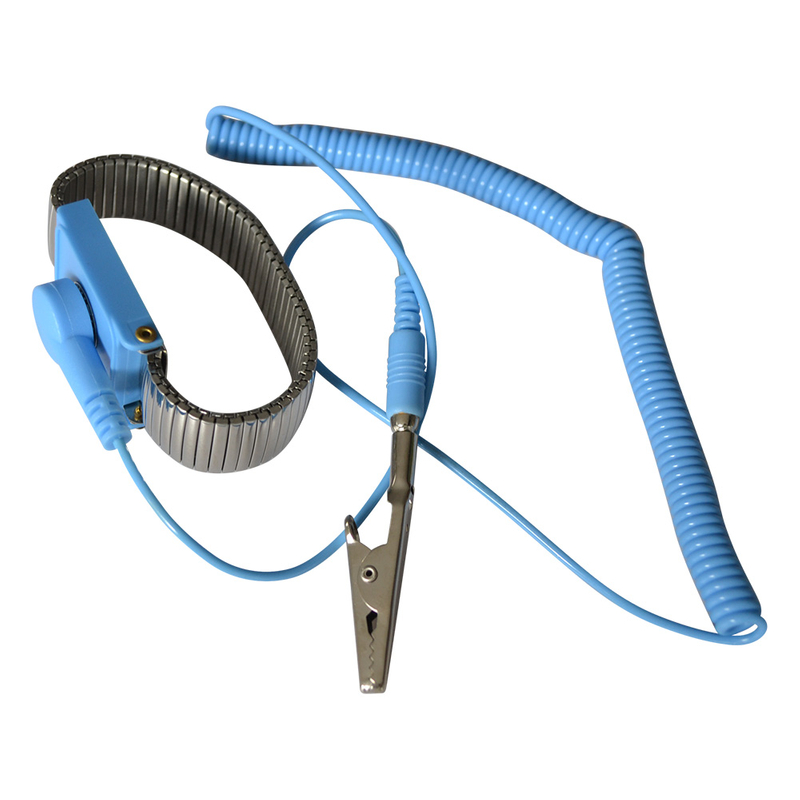
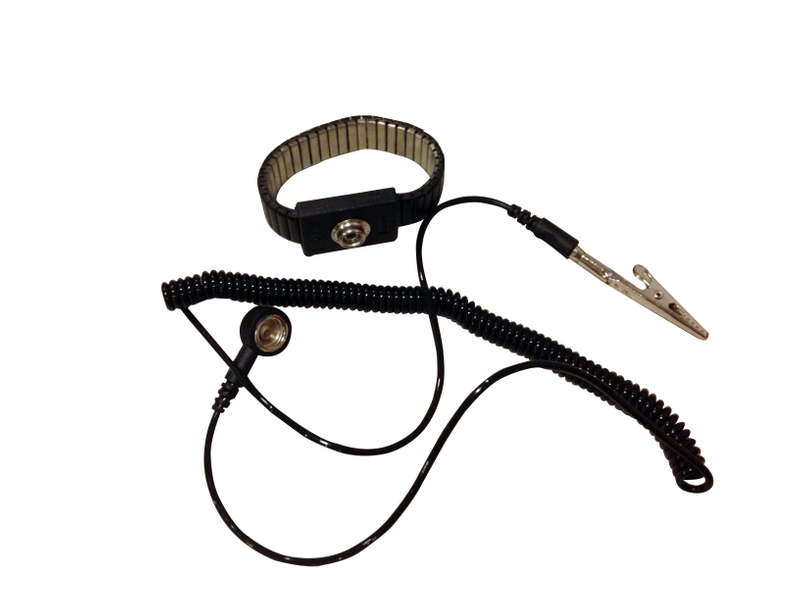
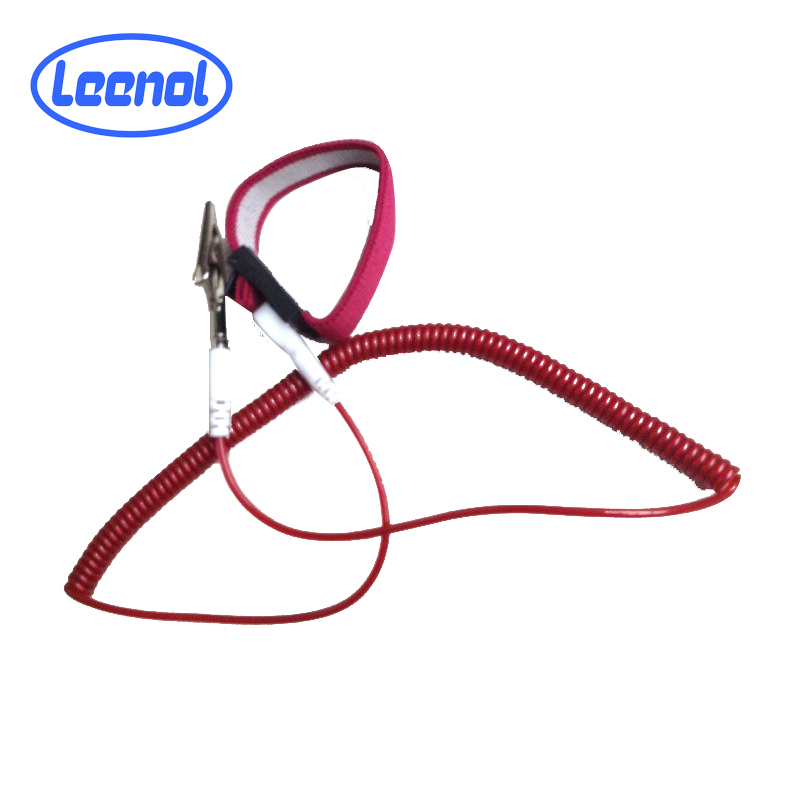

The inclusion of a 1 MΩ resistor in the ground cord of an ESD wrist strap is not arbitrary — it’s a requirement from industry ESD standards and a widely accepted safety practice. According to ANSI/ESD S1.1 and ANSI/ESD S20.20, a wrist strap should incorporate a current‑limiting resistor to protect the wearer and ensure proper function.
The primary purpose of the 1 MΩ resistor is to limit electrical current that could flow through the body if there is an unexpected contact with a voltage source or faulty equipment. Without this resistor, an unprotected path to ground could potentially allow dangerous current to flow through the person wearing the strap. The resistor limits this current to a level far below harmful thresholds, making the wrist strap significantly safer to use even if there’s a fault or high potential difference.
While the wrist strap’s main goal is to remove static charge, the resistor ensures that this discharge occurs gradually and safely. The resistor allows static to bleed off over milliseconds rather than instantaneously. This controlled flow of charge reduces the risk of creating micro‑arcs that could damage components or cause equipment malfunctions.
Standards such as ANSI/ESD S1.1 and ANSI/ESD S20.20 specify that the series resistor in a wrist strap ground cord should be nominally 1 MΩ (±20%). This value ensures a balance between providing adequate ESD protection and ensuring user safety.
Discrete current‑limiting resistors are typically placed near the cuff connection, ensuring the resistor is part of the electrical path between the person and the ground point.
Per ESD standards, the resistor value is chosen because it reduces the potential current to less than about 0.0005 amps (0.5 mA) under typical mains voltage exposure. This level is well below harmful physiological thresholds and generally below the perception threshold for most people, making the strap both effective and comfortable to wear.
While 1 MΩ is the standard, other resistor values may be used in specialized environments. If non‑standard values are used, standards require obvious marking (often with color cues like red) and documentation of the tailored ESD control plan.
The resistor helps ensure that the wrist strap always has a controlled and predictable path to ground. This contributes to consistency when testing or monitoring wrist strap systems — a crucial part of maintaining high ESD control performance.
Advanced ESD setups may include continuous monitoring systems that measure the resistance in real time. These systems often expect the characteristic resistance of around 1 MΩ to verify reliable connection and operation during long tasks or shifts.
In practical environments like electronic assembly lines, repair stations, or test benches, personnel often wear wrist straps for extended periods. The presence of the 1 MΩ resistor ensures that static is continuously and safely dissipated while minimizing shock risk even if accidental contact with energized parts occurs — though wrist straps are never intended as protection against live circuits (and professionals should avoid wearing them on powered equipment).
To maintain performance, wrist straps should be regularly tested with ESD testers, measuring both continuity and resistance to ensure the resistor and overall grounding system function as intended. A “high fail” in testing might indicate an open circuit, whereas a “low fail” could indicate missing or damaged resistance.
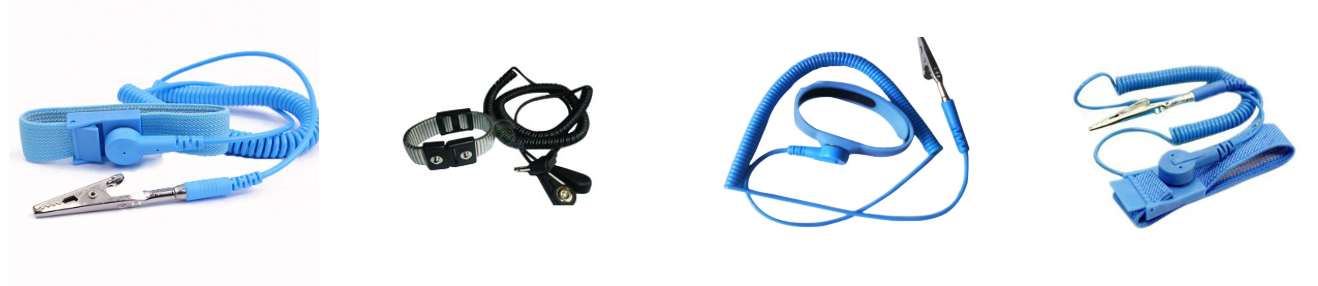
A common misconception is that the 1 MΩ resistor protects the wearer from all electrical shock hazards. In reality, its function is specific to limiting current from static discharge and incidental contact — wrist straps are not intended to provide protection when directly servicing live, powered equipment.
Connecting the wrist strap to a true ESD ground point — not just a conductive surface — ensures proper static dissipation. Improper connections, such as attaching to a mat edge or a loosely grounded surface, can compromise the entire ESD protection plan.
A snug, conductive contact between the band and the skin ensures the resistor and strap operate effectively. Adjustable buckles or metal bands help with consistent wear and comfort.
Personnel should be trained on proper usage, including regular inspection for wear, systematic testing, and understanding the role of each component in the ESD wrist strap system.
The 1 megaohm resistor in an ESD wrist strap is far more than a passive component — it plays an essential role in making ESD grounding safe, effective, and compliant with industry standards. By limiting current flow, it protects workers from potentially hazardous faults, stabilizes static discharge, and ensures consistent performance of ESD control systems. For any operation handling sensitive electronics, understanding and incorporating proper ESD wrist strap systems — including the critical resistor — is foundational to quality manufacturing, reduced failures, and enhanced safety.
At LEENOL, we offer a complete range of ESD wrist straps and personal grounding solutions designed to meet ANSI/ESD S20.20 and IEC standards. Our products feature high‑quality conductive materials, comfortable fit options, and reliable built‑in resistors that ensure both operator safety and static‑control performance. Whether for cleanrooms, production lines, or precision servicing, LEENOL is your trusted partner for ESD TOTAL SOLUTIONS — helping you protect sensitive components and keep your operations running smoothly.
1. Why does an ESD wrist strap need a resistor?
The resistor limits electrical current to a safe level if there’s an unexpected contact with voltage, preventing harmful current flow through the wearer while still allowing static discharge.
2. Is a 1 MΩ resistor required by industry standards?
Yes — standards like ANSI/ESD S1.1 and ANSI/ESD S20.20 specify a nominal 1 MΩ resistor in wrist strap ground cords for balance between safety and discharge effectiveness.
3. Can a wrist strap without a resistor still protect against ESD?
While it might still provide a grounding path, removing the resistor increases current risk to the user and violates industry safety standards.
4. How often should wrist straps be tested?
Wrist straps should be tested daily or before each shift with an ESD tester to verify both continuity and correct resistance.
5. Can a wrist strap protect against electrical shocks from powered equipment?
No — wrist straps are designed for static control, not live electrical protection. Professionals should never use them on energized circuits.