English
Views: 0 Author: Site Editor Publish Time: 2026-03-23 Origin: Site


ESD shoes, or Electrostatic Discharge shoes, are specialized footwear designed to protect both personnel and sensitive electronic equipment from the harmful effects of static electricity. In environments such as electronics manufacturing facilities, laboratories, semiconductor production floors, and cleanrooms, even a small static discharge can lead to equipment damage, product defects, or costly production delays. ESD shoes provide a safe pathway for static electricity to flow from the human body to the ground, thereby preventing electrostatic build-up that can compromise both safety and product integrity.
These shoes are an integral part of a comprehensive electrostatic control system, which often includes ESD mats, wrist straps, grounding systems, and anti-static flooring. By incorporating ESD shoes, organizations can maintain controlled environments, ensure compliance with international standards, and protect high-value equipment from accidental static discharge.
Static electricity is generated constantly when materials rub against each other, such as when personnel walk across floors, move objects, or handle equipment. In industries that rely on sensitive electronic components, even minor discharges can result in expensive failures. ESD shoes serve as a critical barrier, allowing workers to move freely while preventing the accumulation and sudden discharge of static electricity.
Beyond protecting electronics, ESD shoes contribute to overall workplace safety. In some environments, uncontrolled static electricity can ignite flammable substances or cause minor shocks to employees. Properly designed ESD footwear reduces these risks while also improving comfort and ergonomics, allowing workers to remain productive during long shifts.
This article provides a detailed exploration of ESD shoes, covering:
The materials used in their construction and how these materials contribute to static dissipation.
The design features that enhance their protective functions, including soles, heel grounders, and conductive elements.
The applications of ESD shoes across industries and specialized environments.
Maintenance practices that extend the life of ESD shoes and ensure consistent performance.
Future trends and innovations in ESD shoe technology.
By the end of this article, readers will have a comprehensive understanding of what makes ESD shoes essential, how they work, and how to select and maintain them effectively.

The upper material of an ESD shoe is essential for durability, comfort, and electrostatic protection. Traditionally, leather has been a popular choice due to its flexibility, breathability, and ability to conform to the wearer’s foot over time. Leather can be treated with conductive coatings or interwoven with metallic fibers to enhance static dissipation, making it suitable for environments that require both comfort and protection.
Synthetic leather provides an alternative that is often more cost-effective while offering comparable anti-static properties. Manufacturers enhance synthetic materials with conductive additives or coatings to ensure a continuous path for static discharge.
In high-sensitivity environments such as cleanrooms, conductive fabrics and mesh materials are increasingly used in ESD shoes. Conductive fabrics are interwoven with carbon or metallic fibers, which help maintain uniform conductivity across the shoe’s surface. Mesh materials, on the other hand, offer breathability and reduced weight, making them ideal for laboratory personnel who spend extended periods standing or walking while still requiring static protection.
The sole is the primary interface between the foot and the ground, making it the most critical component for dissipating static electricity. Modern ESD shoes employ a variety of sole materials:
Conductive Rubber: This type of sole contains carbon particles or other conductive compounds that allow static charges to flow safely to the floor. Conductive rubber is durable, flexible, and provides good traction on industrial surfaces.
Polyurethane (PU) Soles: Lightweight and resilient, PU soles often incorporate conductive layers that meet specific electrical resistance standards. PU soles are known for their cushioning properties and ability to reduce fatigue during long work shifts.
Thermoplastic Polyurethane (TPU) Soles: TPU soles combine flexibility, wear resistance, and conductive capabilities, making them suitable for environments that require both mechanical durability and effective static control.
The design of the sole also affects slip resistance, shock absorption, and overall ergonomic comfort. Proper tread patterns ensure that ESD shoes provide stability on smooth or slippery surfaces without compromising their static-dissipative functions.
The insole and footbed enhance both comfort and static dissipation. Anti-static foam is commonly used to absorb impact while allowing electrical charges to pass through to the conductive sole. Leather or fabric linings help regulate moisture and temperature, maintaining hygiene and comfort. Some advanced models integrate multiple conductive layers in the insole to ensure a consistent discharge path, even under heavy usage.
Conductive elements embedded throughout the shoe ensure continuous grounding. These include:
Carbon or metal fibers woven into the upper or sole to enhance conductivity.
Heel grounder straps and conductive inserts that maintain direct contact with the floor.
Conductive threads and internal strips to create a reliable path from the wearer’s foot to the ground.
Proper placement and integration of these elements are essential to ensure that static charges are safely and consistently discharged, meeting the requirements of sensitive industrial and laboratory environments.
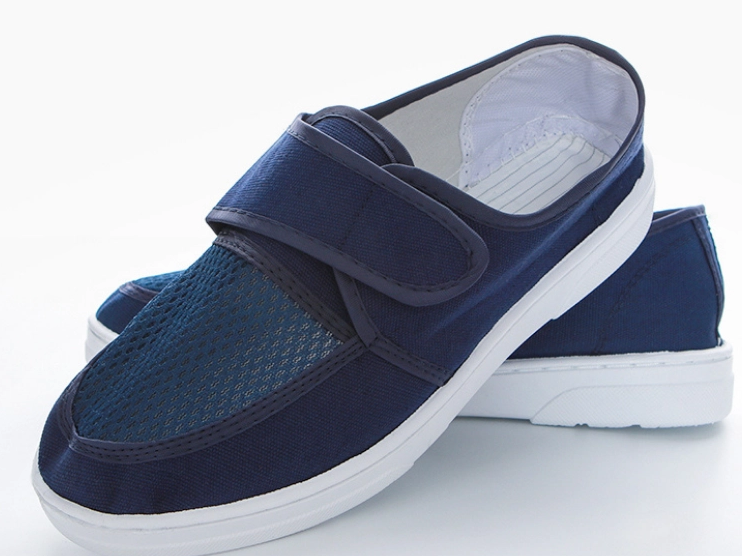
ESD shoes must maintain a specific electrical resistance to function properly. The typical resistance range is 100,000 ohms (1x10^5 Ω) to 100 million ohms (1x10^8 Ω), allowing static charges to discharge safely without causing sudden shocks. Shoes that fall outside this range may either fail to dissipate static effectively or pose a safety risk. Compliance with standards such as ANSI/ESD S20.20 ensures that shoes meet performance requirements for both industrial and laboratory environments.
The heel is often the primary point of contact with the floor and is crucial for grounding. Many ESD shoes incorporate:
Heel grounder straps that ensure continuous contact with the conductive surface.
Integrated conductive inserts or pads in the heel area to enhance electrical discharge efficiency.
These features are designed to maintain a consistent grounding pathway, even during normal walking or movement, ensuring that static electricity is safely transferred away from the wearer.
While ESD shoes focus on static protection, workplace safety remains a priority. Many models include:
Non-slip soles with tread patterns optimized for industrial and laboratory flooring.
Reinforced toe caps to prevent injuries from heavy objects.
Shock-absorbing midsoles to reduce fatigue during extended periods of standing or walking.
These features ensure that workers remain both safe and productive while wearing ESD footwear.
Extended wear in industrial or laboratory environments requires shoes that are comfortable and breathable. Modern ESD shoes often feature lightweight materials, ventilated designs, and cushioned footbeds. Some cleanroom shoes prioritize minimal weight and increased airflow, reducing heat accumulation and maintaining hygiene standards. By balancing ESD performance with comfort, manufacturers ensure that personnel can maintain productivity without compromising safety.
In electronics manufacturing, even minor static discharges can damage sensitive components such as microchips, integrated circuits, and circuit boards. ESD shoes are essential in production environments to prevent accidental discharge. They are often used in conjunction with anti-static mats, wrist straps, and grounded equipment to create a comprehensive static control program.
Semiconductor fabrication requires extremely low static environments. ESD shoes prevent human-induced static from affecting wafers or other sensitive components, protecting production yield and reducing costly defects. Employees can move freely without compromising the delicate environment thanks to properly designed ESD footwear.
Research laboratories rely on precise instruments and sensitive electronic sensors. ESD shoes reduce the risk of accidental static discharge, protecting both experiments and expensive equipment. Combined with conductive flooring and proper grounding protocols, these shoes help maintain controlled electrostatic conditions critical for accurate research results.
In cleanrooms, ESD shoes minimize both static discharge and contamination risk. Materials are selected for their compatibility with cleaning procedures, chemical resistance, and durability under repeated use. Lightweight, breathable designs enhance worker comfort while ensuring compliance with stringent cleanliness and static control standards.
Maintaining ESD shoes is crucial for ensuring long-term performance:
Wipe regularly with a damp cloth to remove dust, dirt, and debris that could affect conductivity.
Avoid harsh chemicals and abrasive materials that may degrade conductive fibers or coatings.
Air-dry completely after cleaning to prevent moisture damage to conductive components.
Store properly in a cool, ventilated area to preserve the shoe’s structure and functionality.
Following these steps helps maintain both the shoe’s static protection and wearer comfort over time.
Routine testing ensures shoes continue to meet electrical standards:
Measure resistance using an ESD tester to verify it falls within the 1x10^5 to 1x10^8 ohms range.
Check heel straps and conductive inserts for wear or damage.
Inspect upper materials for cracks or deterioration that may compromise discharge efficiency.
Regular inspection and testing are particularly important in high-sensitivity environments, ensuring that ESD shoes function reliably every day.
Even with proper care, ESD shoes eventually lose effectiveness. Recommendations for replacement include:
Every 6–12 months, depending on usage and work environment.
Immediately replace if conductivity tests fail or if visible wear affects grounding components.
Monitor high-wear areas such as the heel and sole, which are critical for maintaining safe static dissipation.
By proactively replacing worn footwear, organizations minimize the risk of static-related incidents and maintain a safe, controlled environment.
ESD shoes are designed to combine comfort, durability, and electrostatic protection. Key components include:
Upper materials such as leather, synthetic leather, and conductive fabrics that balance comfort and static dissipation.
Soles made from conductive rubber, PU, or TPU to provide a safe discharge path.
Insoles and footbeds that enhance comfort while supporting anti-static performance.
Conductive elements including carbon fibers, heel grounders, and conductive threads that ensure reliable grounding.
Selecting appropriate footwear is essential for workplace safety and protection of sensitive components. Considerations include:
Environment-specific requirements, whether general electronics, semiconductor cleanrooms, or laboratories.
Compliance with standards such as ANSI/ESD S20.20.
Appropriate resistance range for safe and controlled discharge.
Comfort and ergonomics to support long hours of work.
Advances in materials and design continue to improve ESD footwear:
High-performance conductive fibers for durability and consistent conductivity.
Lightweight and breathable designs suitable for cleanroom environments.
Smart sensors embedded in shoes to monitor conductivity in real-time.
Sustainable materials that reduce environmental impact while maintaining protective performance.
With these developments, ESD shoes will continue to enhance workplace safety, product protection, and overall comfort for personnel in static-sensitive environments.